
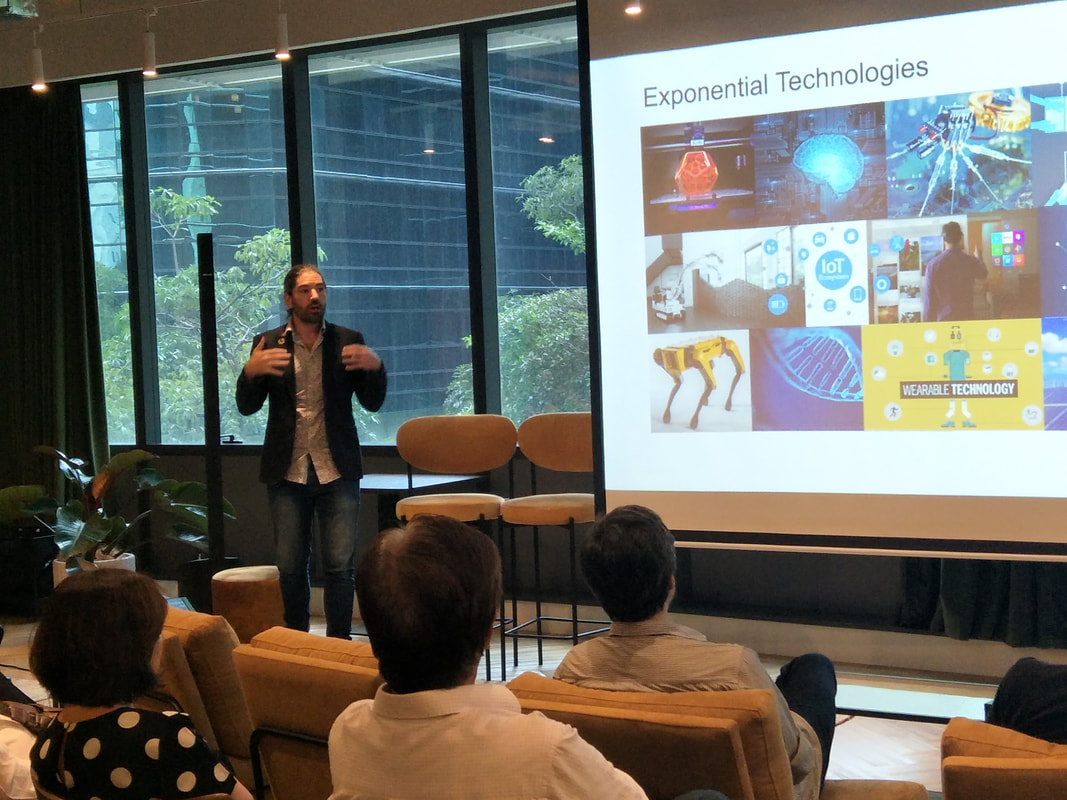
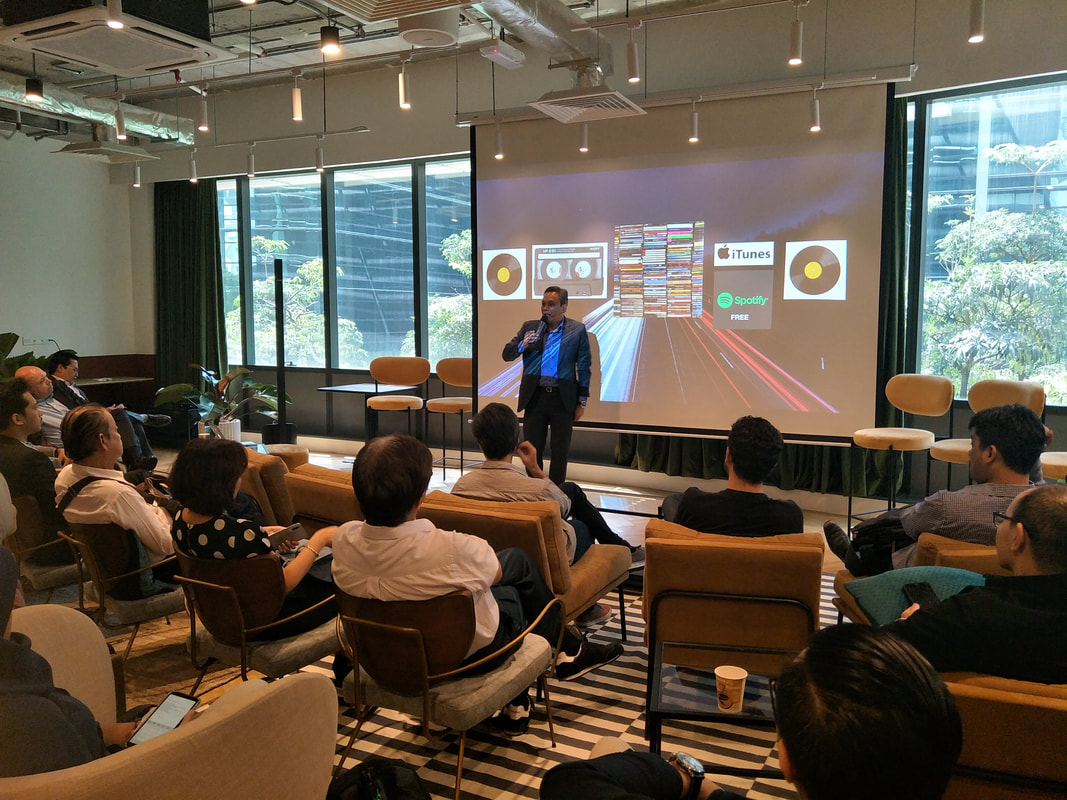
 On 27th November 2020, our Innovation Strategist Azim Pawanchik was invited to speak at the 30th Malaysian Association of Clinical Biochemists Conference 2020. The theme of this year’s conference is “Innovative Solutions: The Way Forward in Laboratory Medicine”. Fittingly, Azim took the opportunity to share some insights on what to expect for the medical labs in the years to come. Titled “The Future of Laboratory Medicine: The Impact of Exponential Technologies & Platform Economy”, the talk explores recent consumer and technology trends, and the opportunities they present to industry players. The talk starts off by exploring exponential technologies, defined as disruptive technologies that potentially generate an exponential growth. This concept is best illustrated by Moore’s Law, which states that the price to performance ratio of computation improves at an exponential rate, doubling every 2 years. In fact, this law applies to any industry where technology is applied, including energy (solar cells), entertainment (online music streaming) and healthcare (online health services). 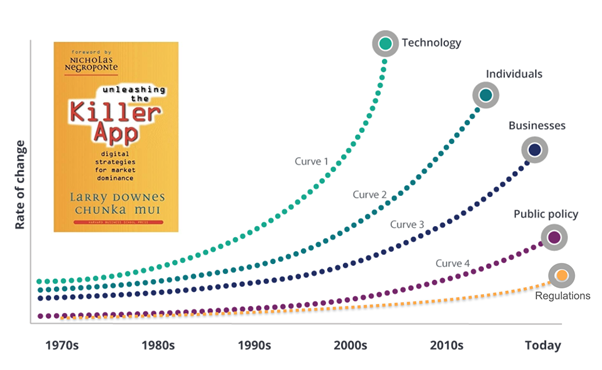 One of the most prevalent exponential technologies set to disrupt the scene is the rise of wearable tech, such as the Fitbit that tracks your vitals, and prompts you to seek medical advice as required. The rise of artificial intelligence (AI), coupled with the wealth of health data already available, will allow quicker and more accurate medical diagnosis. Also in the pipeline are 3D printed medical tools and robot assisted surgery. Gaining access to these technologies means consumers are increasingly taking ownership and making decisions for their own health. With increased access to personal health data, they can now self-diagnose at the comfort of their own homes, bypassing the need for testing at medical labs altogether. Increased shift in focus to prevention and wellness also means that consumers will be acting to seek proactive solutions rather than seeking medical advice only when they fall ill. 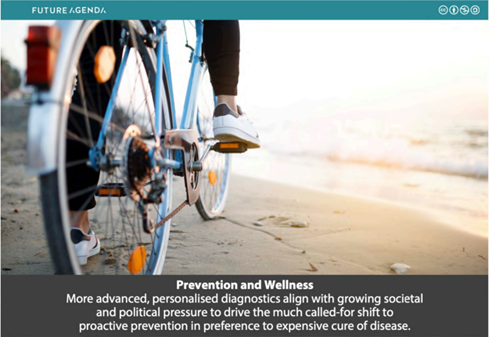 Another rising trend is the platform economy. This is best illustrated by the ride hailing service Grab, which allows anyone with a car to work on-demand and earn a living. The service is enabled by technology. For example, it utilises complex algorithms to match drivers with users and calculate the fee for each ride. How should medical labs act to adapt to these changes? A platform approach will need to be adopted, where the relationship among every player in the ecosystem, from policymakers to clinical biochemists to consumers, are managed to ensure mutual benefit. Transformation begins with the government and policymakers. As technology advances at a breakneck speed, new regulations will need to adopt an anticipatory model. They will be developed iteratively to gain a better understanding of technology’s impact on the economy and society. As data traffic increases among doctors, labs and patients, increased focus will be needed on data protection and safeguards of intellectual property. 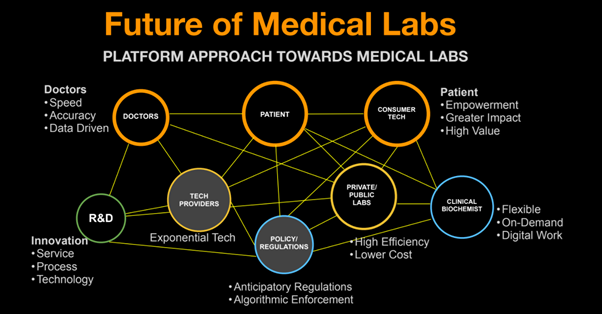 Medical labs will leverage technologies to help doctors make faster and more data driven decisions. Automation can be adopted to speed up the testing process to help labs combat rising operating costs. Labs can even partner with hospitals and consumer technology in a digital ecosystem to offer holistic solutions to consumers. As the future of work changes, clinical biochemists can adopt the platform economy to bring flexibility to their work. Company leaders will need to lead the charge in adopting innovation into their existing business models. Trust and direction must be given to employees to tap into the collective creativity of the organisation. Implementing data-driven processes and digital tools into current work will help break down bureaucracies and silos to further drive collaboration, while uncovering cognitive biases that impede innovation. Alpha Catalyst would like to thank MACB for providing the opportunity to share our insights and ideas. To keep up to date on innovation, follow us on LinkedIn. To learn more about the future of healthcare, refer to this report by Future Agenda. TechFest Live 2020 is a 3-day digital festival held in Georgetown, Penang from 18-19th November 2020. Held both physically and virtually, the event celebrates technology and its promise to bring good to humanity. This year, Alpha Catalyst’s Founder and Innovation Strategist Azim Pawanchik, along with former CEO of General Electric Malaysia, Datuk Mark Rozario were invited to speak at a forum titled “Proactive Intelligence for Industrial Transformation”. The session was moderated by Ng Sai Kit, the Chief Executive of Captii Ventures. Captii Ventures is a venture capital firm with portfolios spanning industries including IT and finance across Southeast Asia. 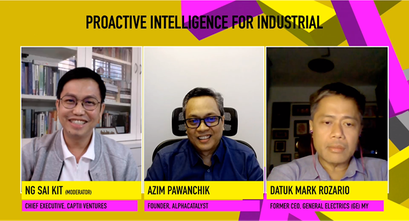 Proactive Intelligence refers to Artificial Intelligence (AI) that proactively acts once a certain input is received. Users of Google’s Gmail will rightly recognise the Smart Compose function (which offers suggestions as you type) as an application of Proactive Intelligence. Mark shared that at AirAsia, utilising AI for performance-based navigation made it possible to predict optimal take-off and landing patterns. This yielded a cost saving of MYR 50 million over 5 years. There is undoubtedly much value to be captured by harnessing the power of Predictive Intelligence. When asked about what is holding Malaysian industries back from fully embracing AI, the progress of national policy making was brought up. “The readiness of the government is still at a stage of infancy,” said Azim. Comprehensive policies and regulations need to be developed, especially in terms of data sharing and accountability to enable a full-blown adoption of AI in the nation. The benefits of embracing Proactive Intelligence were driven home by one of Datuk Mark’s successful transformation efforts at General Electric. The company currently houses 2 remote monitoring centres in Kuala Lumpur. One of which monitors over 90 power stations in Asia Pacific. Utilising a range of sensors, GE was able to collect data to build a digital twin for each of its turbines, which is a replica of its physical counterpart, allowing accurate, real-time simulations to be made. Leveraging this wealth of data, Proactive Intelligence is then utilised to predict the need for any human intervention. As a result, The centre only requires 3 operators to run. The next step is for Actionable Intelligence to intervene and avoid breakdowns, removing the need for any human response altogether. 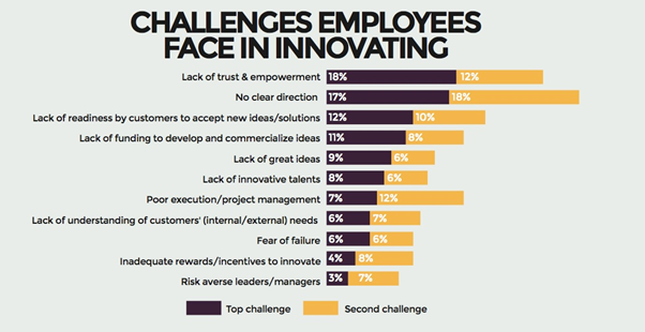 A swift transformation into digitisation is no easy feat. In a separate survey conducted by Alpha Catalyst Consulting, the main barriers to innovation in Malaysia can be attributed to the roles of top management. Lack of trust and clear innovation direction were found to be the largest challenges impeding innovation. Clearly, a paradigm shift is required for companies to fully embrace innovation. Leaders must learn to adopt new mindsets and learn to embrace uncertainty in order to topple the walls surrounding corporate creativity. Drawing an example of a large local company, Azim warned about changes in how organisations will be run in the future. As more roles become automated, managers will need to address employees’ fears of being displaced by technology. Real-time data will become widely available, creating transparency to employees performance. “We are moving from having middle managers to measure performance, to having this done by algorithms,” added Azim. New management approaches will need to be developed to deal with this zero latency, data-driven environment. 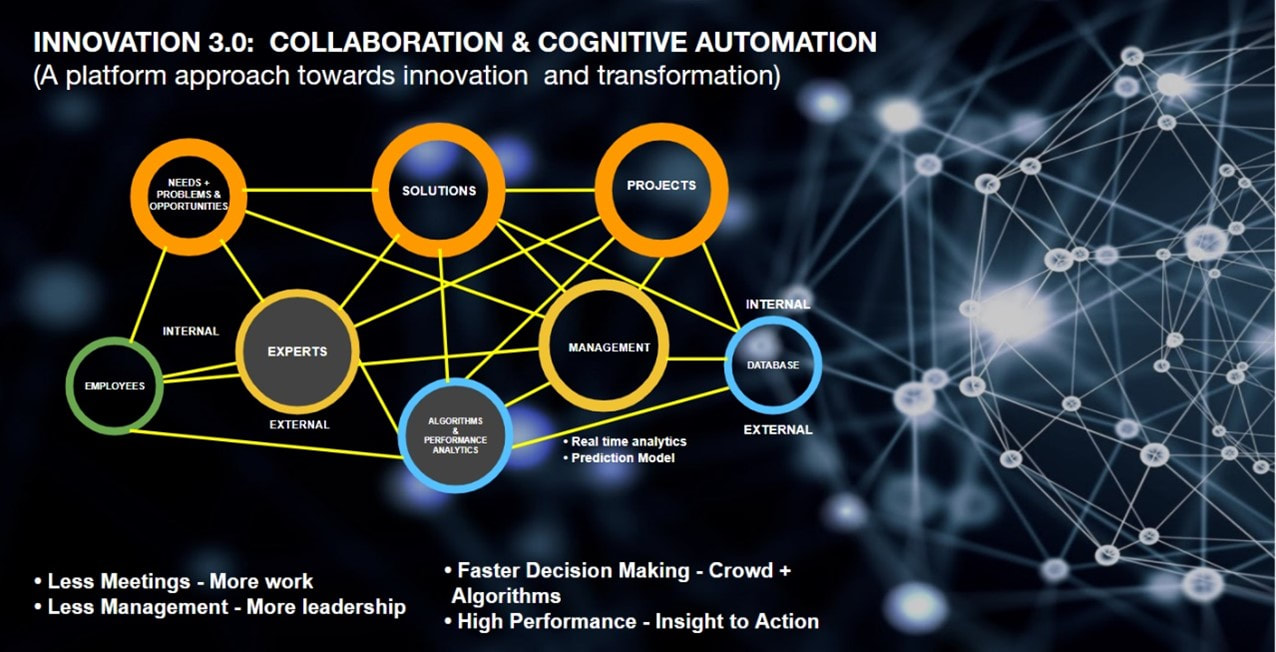 Despite fears of disruption, companies will need to embrace digitisation by breaking down traditional organisational structures. As opposed to the layers of hierarchy we have today, companies of the future will implement a flatter, cross-functional platform approach, allowing collaboration and agility within the organisation. Combining this with a data-driven mindset, corporations will find more success in adopting Proactive Intelligence within their business. In the final segment, the panel explored a few industries that can be revolutionised by Proactive Intelligence. These include the media industry, where it can be used by local companies to redefine its revenue model to better compete against disruptors like Netflix. The risk-averse insurance industry will also have much to gain if it uses of AI to develop more efficient ways of pricing insurance premiums. In industry with the most to benefit from, perhaps, is the healthcare industry, especially in terms of preventive healthcare. In fact, the use of AI and online health services is already prevalent abroad. For example, Chinese regulators have already approved formed regulations to allow the use of AI to perform diagnosis for both conventional and traditional medicine. As policymakers work to develop policies regarding the use of AI and Proactive Intelligence, there will be much to look forward to as industries continue to grow and transform. 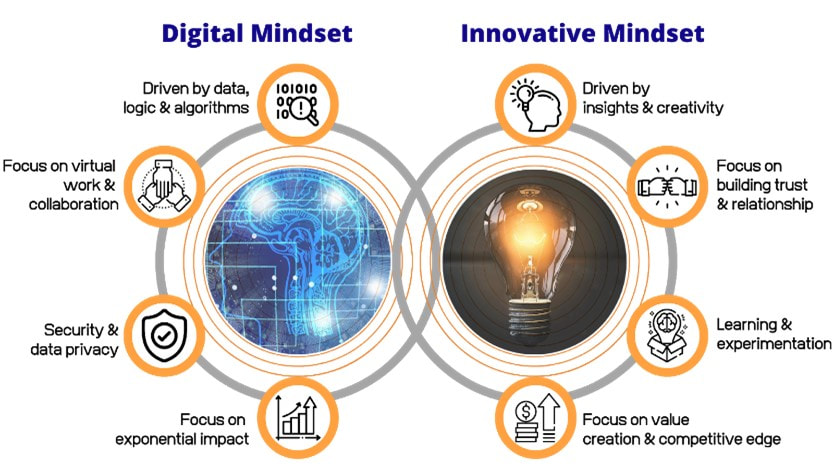 Alpha Catalyst Consulting would like to thank TechFest 2020 for this opportunity to share our views at this forum. We would also like to thank Sai Kit and Datuk Mark for their thoughts and insights.
Follow us on LinkedIn, and refer to this article to learn more about digitising innovation management. 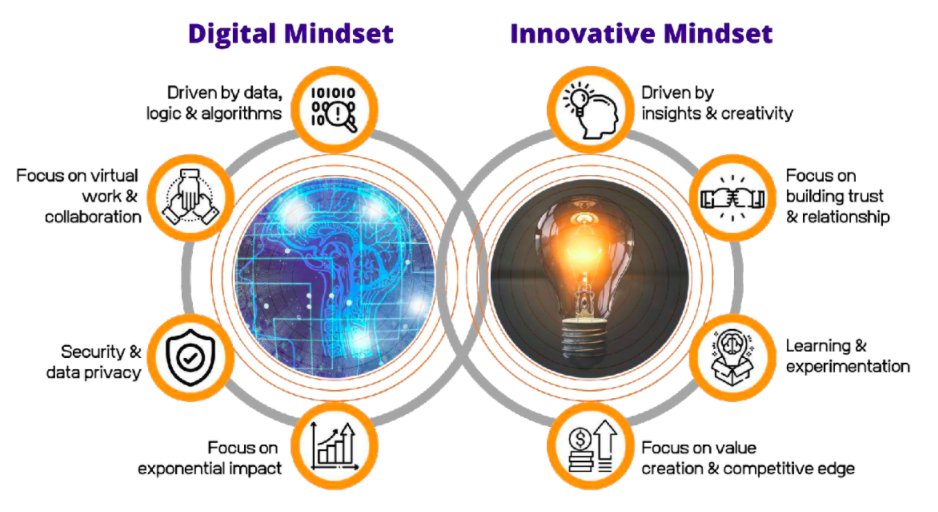 New on digital disruption, digital economy, platform economy and digital transformation is ubiquitous in the media today, much more than ever before. There is plenty of hype and debate on how Blockchain technologies, algorithms, Artificial Intelligence (AI) and the Internet of Things (IoT) would transform industries and create new growth opportunities. In Southeast Asia, the digital wave is dominated by technology start-ups such as Lazada, Traveloka, Tokopedia, Grab and Go-jek, where the latter two have morphed from ride-hailing companies to ‘super apps’ that offer everything from food, transport, delivery, payment and insurance services in a single experience. Other than providing income opportunities and delivering value to millions of customers, they were able to come this far by fully embracing the digital and platform economy, coupled with their customers’ readiness and ecosystem infrastructure and support. They derive their competitive edge from customer data, algorithms, network of partners, brand and innovation. The fact that business media brand, Fast Company, crowned Grab as the second most innovative company in the world in 2019 is a testament to this. Founded in 2012, Grab has established their presence in 500 cities across 8 countries in Southeast Asia, including Malaysia, Singapore, Indonesia, Thailand, Vietnam, Cambodia, Philippines and Myanmar. While much of the spotlight appears to be on the arena of start-ups and purely digital companies, many large corporates and traditional industries are also harnessing the benefits of digital operating models. There are many approaches and techniques to innovation, such as design thinking, lean start-up, business model canvas and stage gate. Regardless of the approach, every innovation effort should focus on the following four key outcomes:
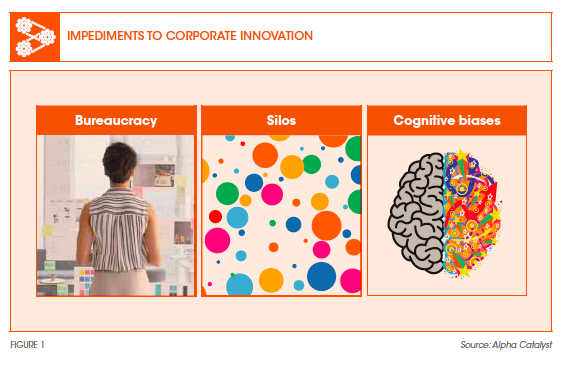 Generating these outcomes in large organisations is different from doing it in start-ups. Other than the involvement range of functions and stakeholders with a company’s strategic direction and risk appetite, a recent survey highlighted the key obstacles for innovation are the lack of trust and empowerment, and lack of clear direction from management. These barriers stem from the human factors, relating to bureaucracy, silos and cognitive biases. Bureaucracy refers to the complex and multi-layered systems and processes within an organisation. Although these are in place to maintain uniformity and control within an organisation, it fuels power distance, leading to an authority gap and decision making delays. Business unit silos present themselves in conflicting agendas, limited leadership, lack of collaboration and an enhanced overconfidence gap. On top of that, cognitive biases are inevitable, where as individuals, we are unable to process all information objectively and resort to mental shortcuts when making decisions. The convergence between digital transformation and innovation management thus presents an opportunity to revolutionise what is still largely managed in a traditional manner: through emails, instant messages, spreadsheets, presentations, post-its, and an endless schedule of meetings. Digitising the innovation endeavour through the use of platforms provides for safe storage in the cloud, increased efficiency, reduced operational costs, and eases data analysis. Additionally, a digital platform provides scalability, structure, and repeatability for the innovation process. This allows organisations to carefully plan, manage and monitor their innovation efforts in real time whilst tracking the process and aligning it with intended goals and objectives. More importantly, digital platforms can help overcome the many barriers to innovation stated earlier, whilst encouraging collaboration. An example of a successful internal collaboration can be found at the Kuala Lumpur office of Nestle, the multinational food and beverage company. In 2016, the company held its inaugural Innovation Awards, aimed at promoting idea generation amongst its employees. The results were momentous- 6,000 participating employees generated 50,000 fresh ideas, which in turn translated into a 10% increase in sales revenue in that same year. Digitising collaboration has made innovation continuous, relentless and fast. As we move towards a digital business paradigm, machine and human decision-making increasingly coalesce. Blending technology-enabled insights with a thorough understanding of human judgement, reasoning, and choice will allow organisations to create and sustain a competitive edge in this increasingly complex world. The crucial step is not the technology itself, but the current digital behaviour of employees and management that need to embrace the digital and platform economy. In conclusion, the digitisation of innovation management allows organisations to spend less time managing innovation and more time on things that really matter- like uncovering insights and opportunities, working on prototypes and pilots and most importantly, creating value for customers and the company. More recently, our Innovation Strategist, Azim Pawanchik, spoke on this at ISPIM Bangkok March 2020. To learn more about what we do, visit alphacatalyst.com. 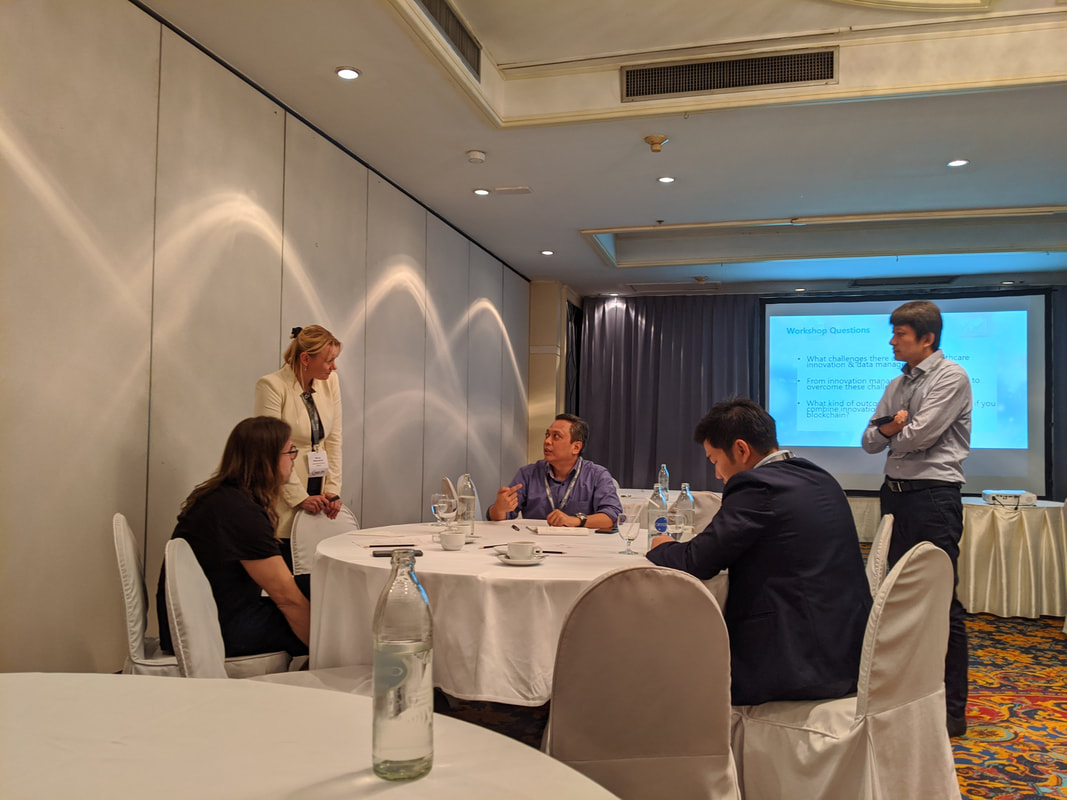 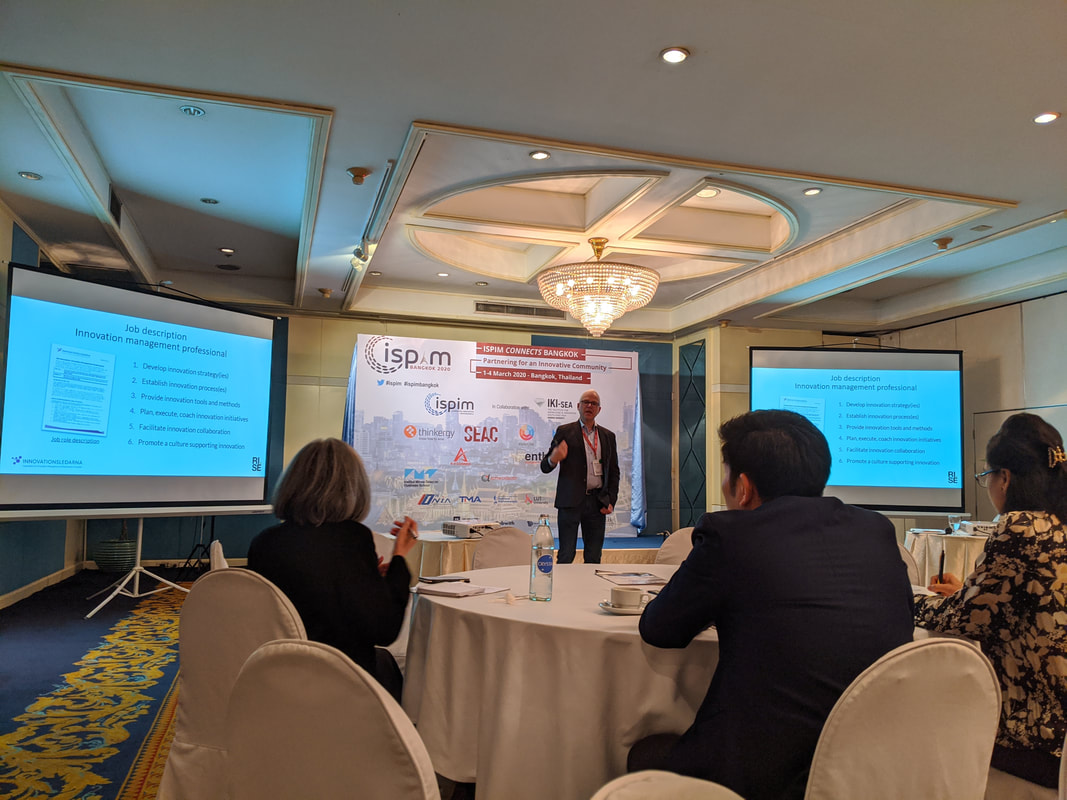 Introduction to the ISO 56000-series: Guiding standards for innovation management The need for systematic innovation activities is increasing in all types of organisations. To guide these efforts, the first international standard for Innovation Management System (ISO 56002) has recently been published. A keynote presentation by Magnus Karlsson, the National expert & Chairman of SIS Swedish Institute for Standards and RISE Research Institutes of Sweden provides an overview of an innovation management system, the systems approach used, the principles and definitions behind it, how it can be implemented, and how it has been developed by ISO. Based on McKinsey’s Global Innovation Survey 2010, 84% of global executives believe and say that innovation is extremely important, however, 94% are dissatisfied with their innovation performance. This addresses the urgent need to provide guidance for organisations, both private and public, by giving a common language and credible framework. With this in place, innovation capabilities in organisations can be boosted! The ISO TC 279 started in 2013, coordinated by the French National Organisation for Standardisation (AFNOR) through an international collaborative effort- their first publications were in 2019, the ISO 56000-series:
For the ISO, innovation is defined as a new or changed entity, realising or redistributing value. Whilst an innovation management system is defined as a set of interrelated and interacting elements, aiming for the realisation of value. The ISO 56002 Innovation Management System is a guiding framework for top-management to lead and organise innovation efforts, it should be viewed as a check-list to enable systematic and systemic innovation activities; from developing and deploying innovation capabilities, evaluating performance to achieving intended outcomes. Other than using this as a guidance, organisations can also use the standards to evaluate their current ability to innovate. From the ISO, they focus on eight core innovation management principles:
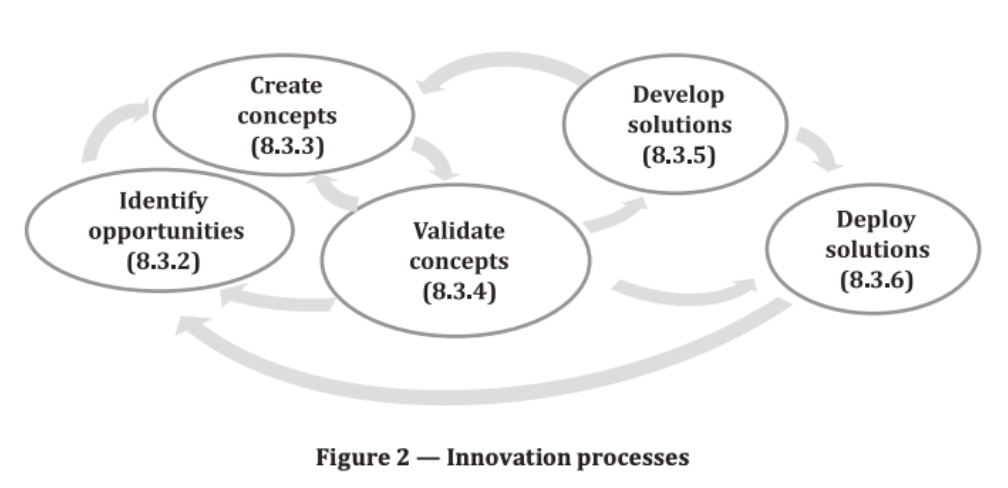 With the ISO in place, organisations are able to harness the benefits from it. The organisation’s reputation and valuation are enhanced, making them more likely to stay relevant and competitive.
Global Body of Knowledge for Innovation Management Professionals With that, innovation management is an emerging profession and a common job description and Body of Knowledge is taking shape. Innovation Management Professionals are responsible for or actively contributing to, leading and organising innovation efforts and increasing innovation capability in a company or an organisation. Creating this profession will not only increase the credibility, but it will also strengthen the profession, career advancement and employability & assurance. For this profession (ideally from different divisions/departments to have different views), the main roles would be:
To be certified, an individual would need to i) have at least 3 years of relevant work; ii) performed at least three of the six responsibilities above; iii) at least 50% of their work is related to innovation management full-time. In preparation for the personal certification, programs based on the Body of Knowledge can be attended, delivered by an open market of certified training providers. For the personal certification program, the key principles are:
Get your organisation ready, by keeping up to date with what is currently happening! Visit these websites for more information: https://innovationmanagementsystem.com/ https://www.sis.se/ https://www.ri.se 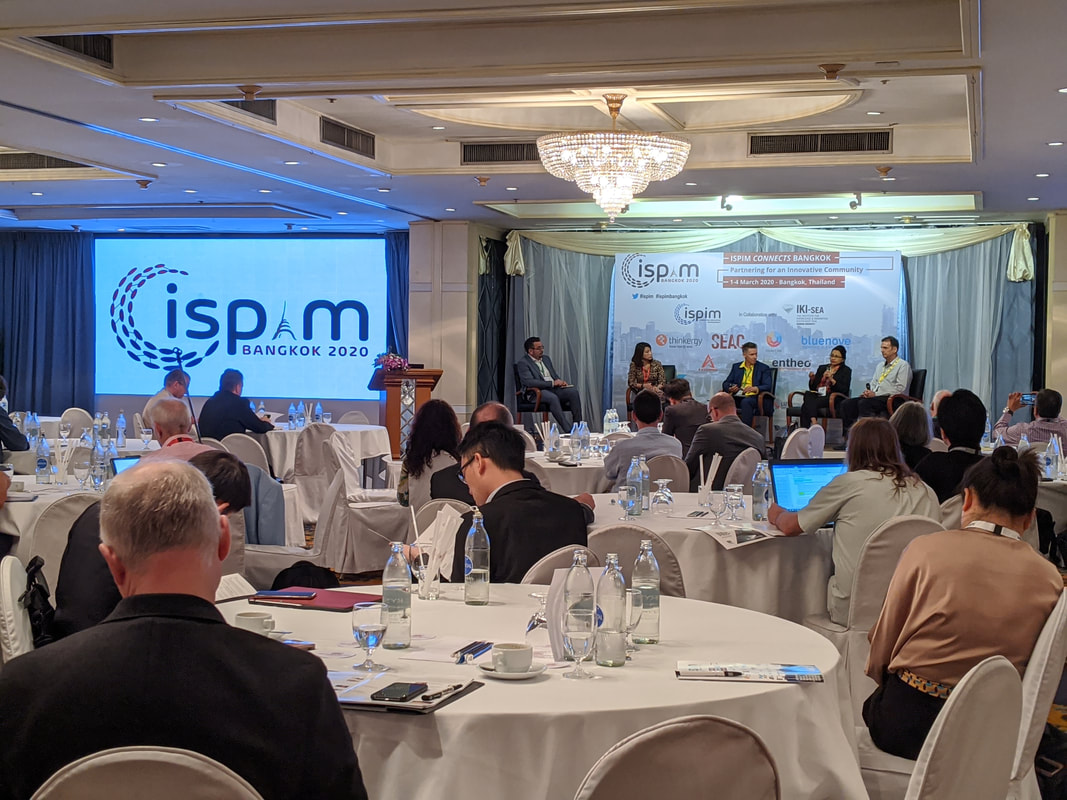 Most Western countries perceive Asian markets as fascinating innovation hubs, where technologies are leapfrogged and where people are open to new digital innovations and transformations. But is it a reality for all Southeast Asian countries, and what is still necessary to get there? At the ISPIM Conference Bangkok 2020, a panel discussion was held with Theresa Mathawaphan (Deputy Executive Director of National Innovation Agency of Thailand), Dr. Suraya Sulaiman (Innovation Provocateur of Alpha Catalyst), Detlef Reis (Founding Director of Thinkergy) and James Engel (Chief Learning Architect of SEAC Thailand), chaired by Vincent Ribiere (Managing Director of Institute for Knowledge and Innovation Southeast Asia of Bangkok University). The panellists shared what they have personally experienced and saw as successful solutions to stimulate various forms of innovation in Southeast Asia. This is an excerpt from the conversation which took place. 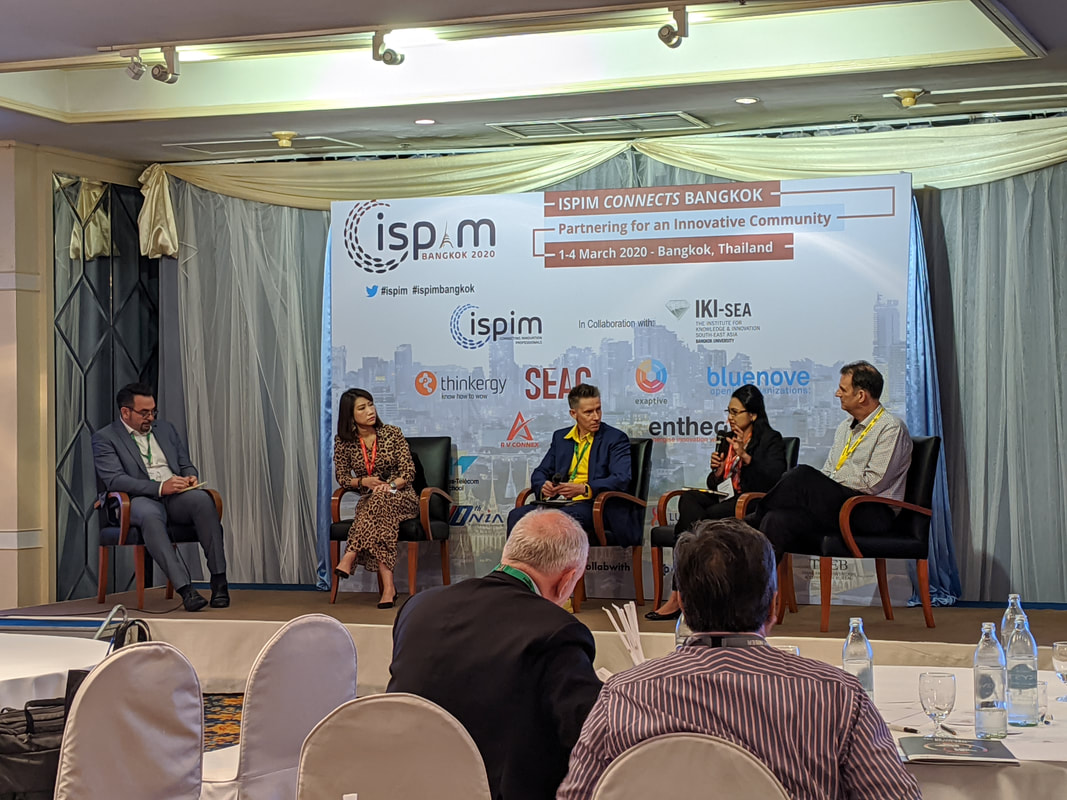 Starting off the conversation, the speakers discussed the current state of innovation in the Southeast Asian region. Innovation within the Southeast Asia region varies dramatically in terms of maturity, and can be roughly divided into three categories: the advanced (Singapore), the intermediate (Malaysian-Thailand-Indonesia) and the emerging (Laos-Cambodia-Myanmar). Malaysia tended to produce more product or service-oriented innovations, while Singapore developed more tech innovation. Other than the variation between innovation focus; cultural diversity, regulations, availability of sandboxes/testbeds also played a part in distinguishing the level of innovation maturity. Moving into examples of innovative companies emerging from the region, Grab and Go-jek was top most in mind. Grab, a technology company which started off offering ride-hailing transport services have now ventured into: online food delivery, insurance, courier service, prepaid and payment solutions, all on a single seamless platform. Suraya quoted Grab’s impeccable exponential growth- visible through their downloads, number of rides and revenue. Within 5 years, their app downloads increased from 600,000 to 100 million (across the Southeast Asia region). Their annual revenue grew from 0.5 billion to 2.3 billion within three years (as of 2019). She highlighted that the key success she’s observed was how they leverage on attributes associated with the exponential organisation (ExO) model such as leveraging assets, usage of algorithms and utilising staff-on-demand. Theresa brought up another similar Indonesian startup, Go-Jek. With a social mission to improve the welfare and livelihood of the Indonesian people, Go-Jek is an app for transportation, food delivery, logistics, payment and daily services. Due to their drive to fulfil their social mission, Go-Jek has been commended for their approach to localisation. Other panellists also highlighted other startups such as QQ, a Tencent’s eCommerce app which also integrates online social games, music, microblogging and group & voice chat software; and HotelManagement.Asia, a one-stop app for event management. Apart from being successful, these startups have two common themes between them: the identification and solving a specific issue or problem; and are platform providers by aggregating solutions and leveraging on assets. Other than being different from one another, Southeast Asia also varies internationally. Detlef highlighted that the main difference between the European ecosystem and Asia’s is the culture. The culture has influenced the behaviour of employers and employees, and the interactions between them. Asian organisations tend to have higher levels of hierarchy, leading to a higher power distance. With Asians being collectivists rather than individualists, they are less verbal and outspoken with their thoughts and ideas. Hence, the main barrier towards innovation is the mindset. Taking into consideration the culture, they agreed that innovations worked best when it is initiated top-down, however, the top must also walk the talk rather than giving mere commands. Another barrier discussed was the retirement issue within the older generation workforce. As they approached their retirement age, the observation was that they tended to opt for less risky or tedious projects- possibly due to the high responsibility or energy investment needed. In addition, risk and failure acceptance was seen to be low overall, and is comparatively lower internationally. However, the panellists have all witnessed that there is a positive shift in the mindset- whereby employees are becoming more open to being involved with the organisation’s future and their innovative efforts- displaying a promising future. Due to the culture where Asian tend to not voice out their ideas and thoughts, interfaces such as digital tools and digital innovation management softwares can provide the avenue for expression and sharing of ideas. Through these platforms, organisations will be able to tap on the collective insights from their employees, as well as minimising the effect of hierarchy. Due to the cultural difference, most innovation management system theories from the Western part of the world are less applicable to the Asian ecosystem. Coming from an innovation management consulting firm specialised in the Asian perspective, Dr Suraya discloses that the systems are well designed, however is not possible to use entirely, and would need to be adapted to suit the context and culture. The discussion has highlighted the cultural difference, however, that may be Southeast Asia’s strongest point. With the positive mindset transition, the future for innovation is definitely promising and worth looking out for! 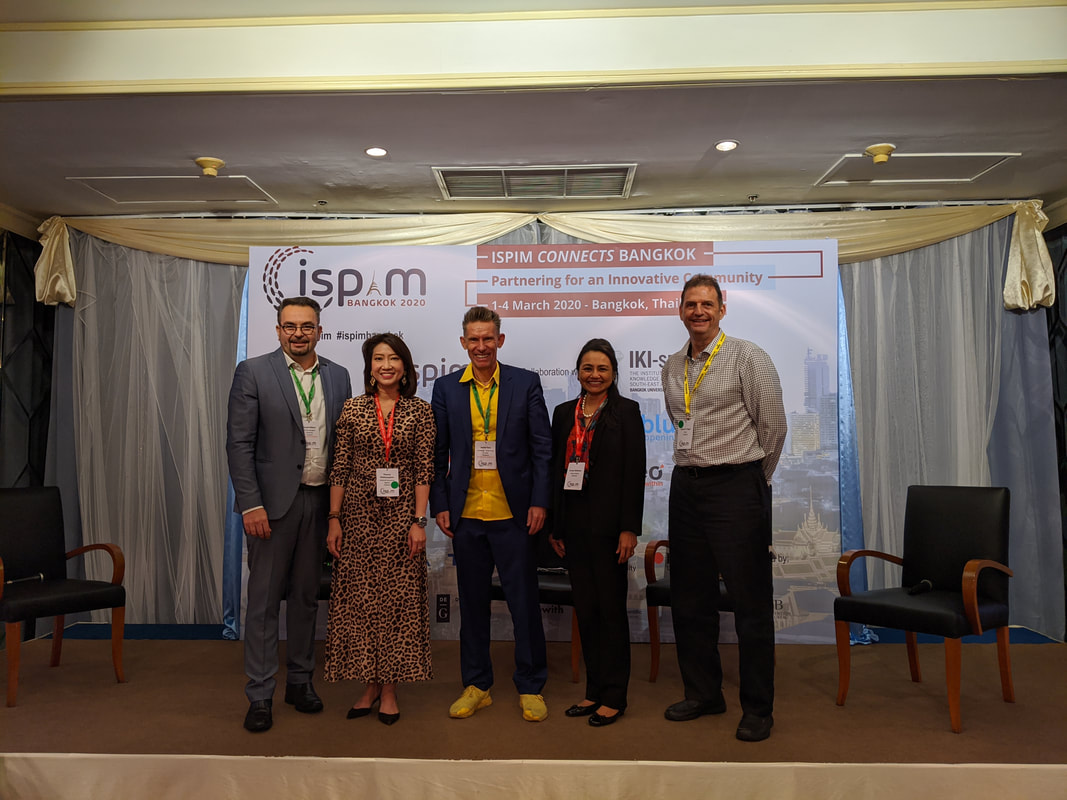 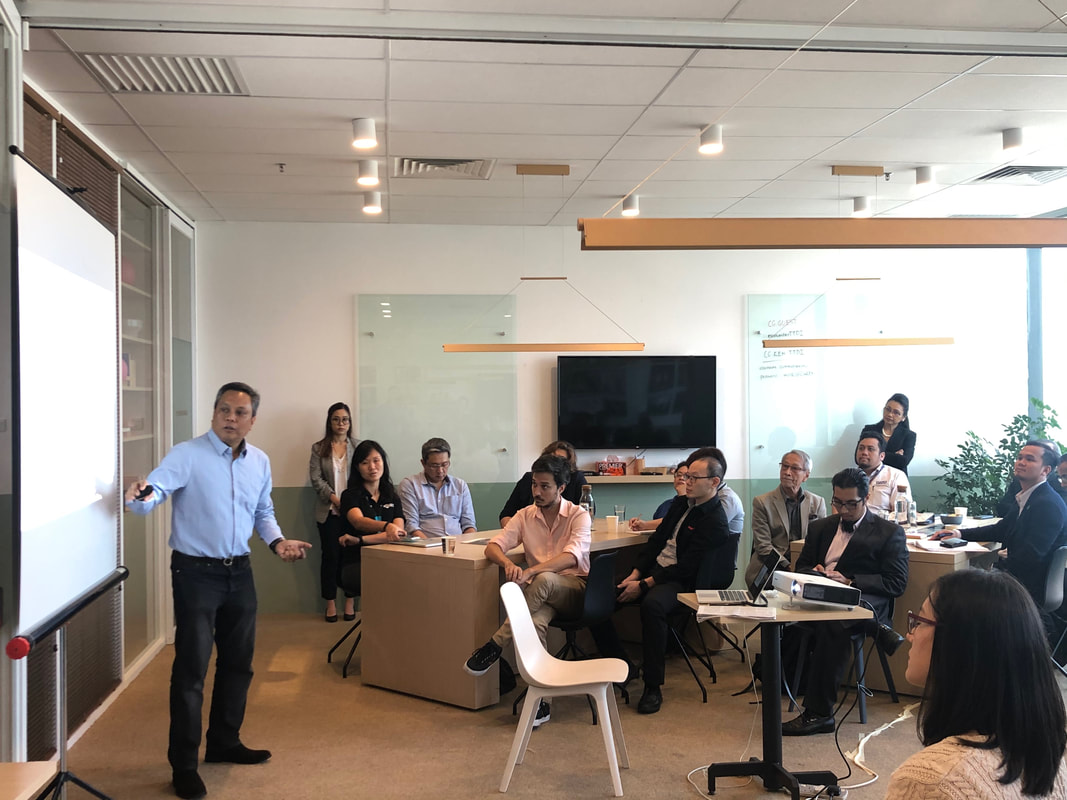 On the 21st of November, Alpha Catalyst held a Future of Work roundtable discussion at Common Ground Taman Tun Dr Ismail. The rise of digital has shifted the way we live and work. Current technologies have enabled many to adopt a digital lifestyle when it comes to travel, food, entertainment, knowledge and many more. At the workplace, the rise of cloud computing, collaboration software, algorithms and artificial intelligence are changing how organisations work and create value and grow. Simultaneously, talent expectations are changing, resulting in significant implication on how organisations function and how people are managed.
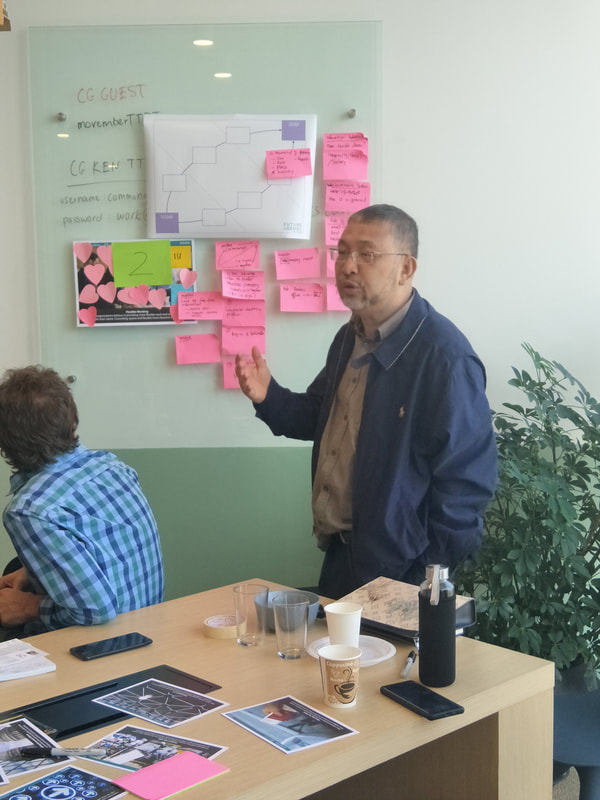
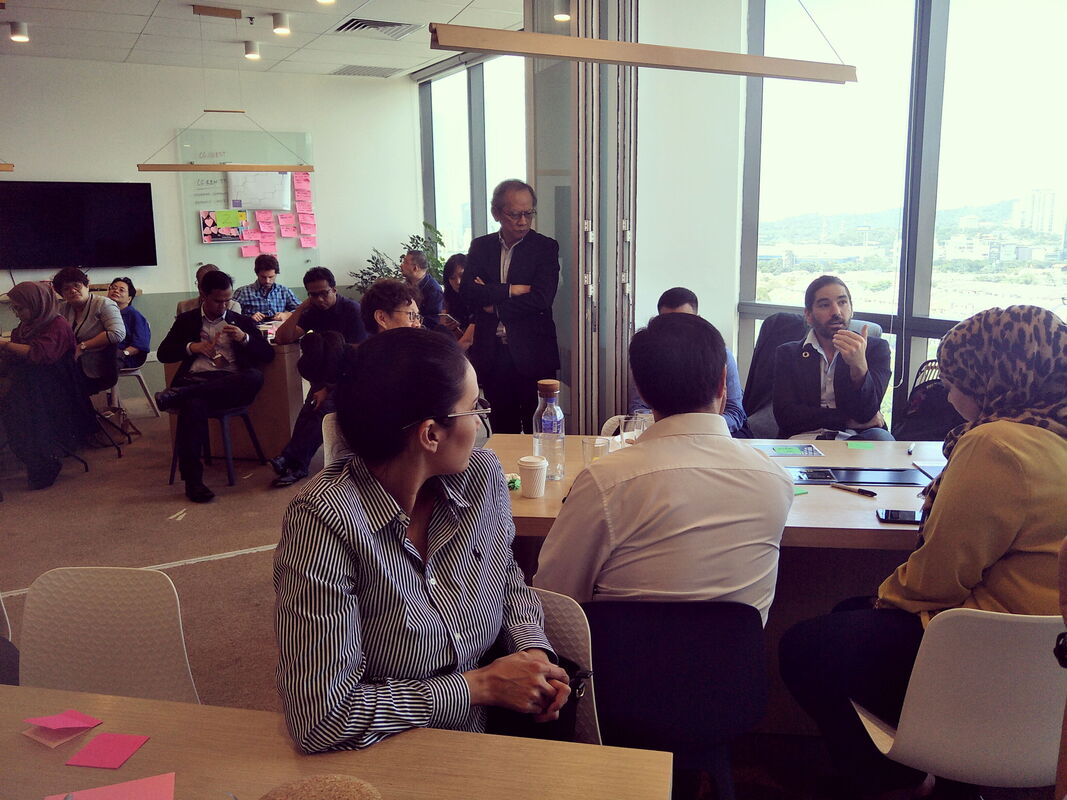
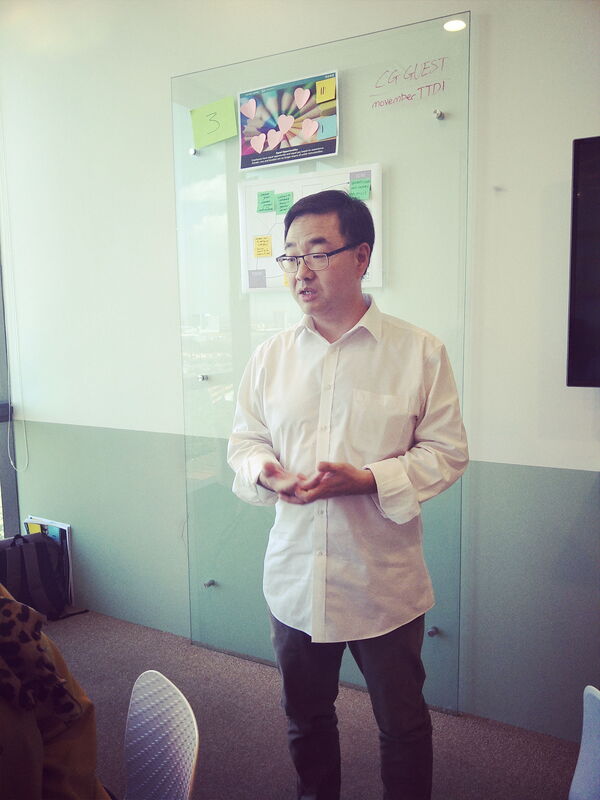
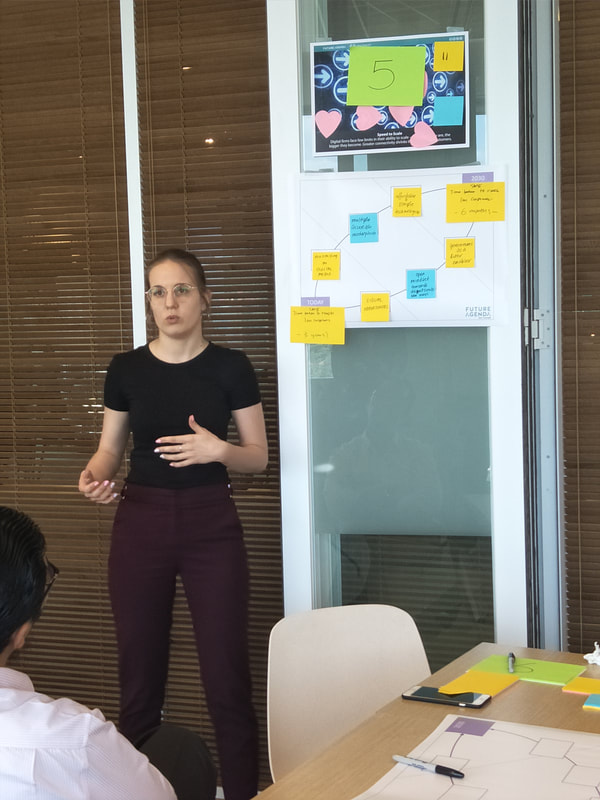
The round table discussion delved deeper into the future of work in the digital age, distilling what organisations can and should do to future proof themselves. We brought in together views from prior global conversations, local thought leaders, organisation leaders and startups, with an aim to explore future trends and opportunities in and around the future of work in Malaysia over the next decade. 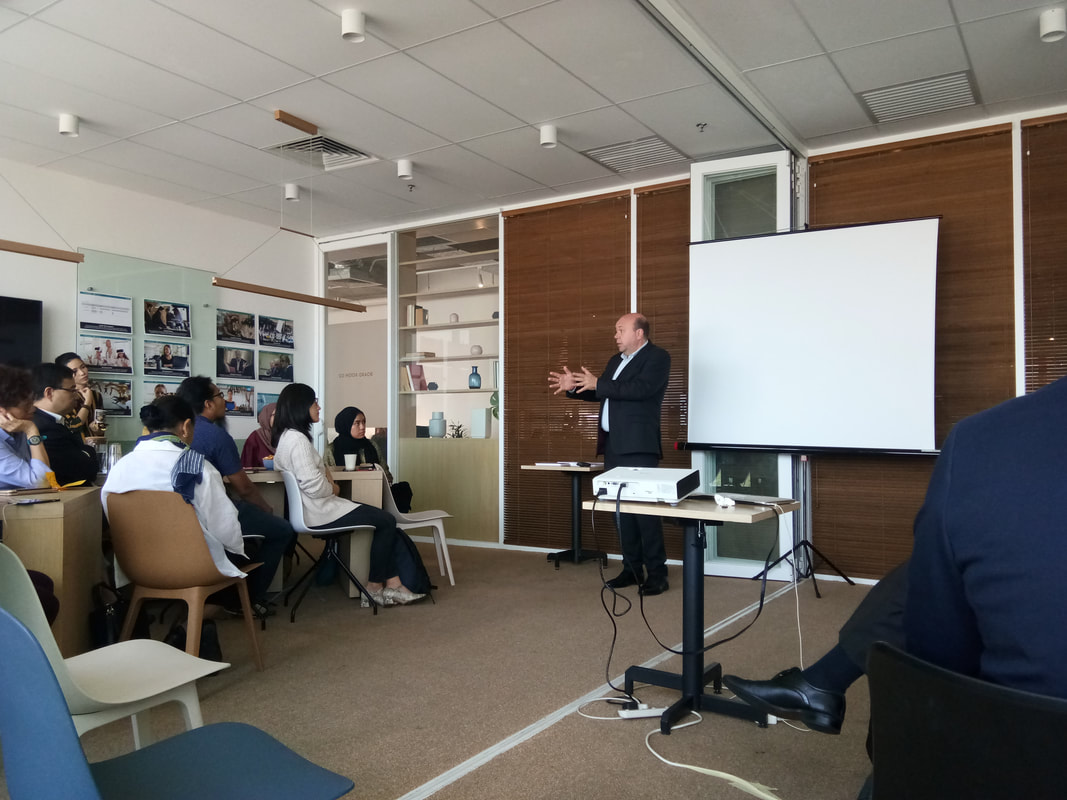 Starting off the session, Azim Pawanchik, Alpha Catalyst’s Innovation Strategist, shared light on the future of collaboration. Organisations would need to leverage on digital tools and algorithms for cognitive automation. After that, Kevin Allen, Chief Community Officer of OpenExO, then highlighted the importance of exponential thinking and OpenExO’s 11 attributes to be an exponential organisation. The rise of the gig economy was discussed by Alejandro Kikuchi, the Head of International Growth of Workana. Being the number 1 freelancing platform in Latin America, they have witnessed the shift first hand. Alejandro also shed light on how Unilever, one of their biggest corporate clients, leveraged them for project-based talents. He shared the resistance he observed during the embarking, but now- even the most resistant departments also utilise Workana. Ru Sow, Common Ground’s Head of Operations, presented the shift on the workspaces. Apart from the flexibility and the social element of co-working spaces, their membership offers multiple benefits with their partners. 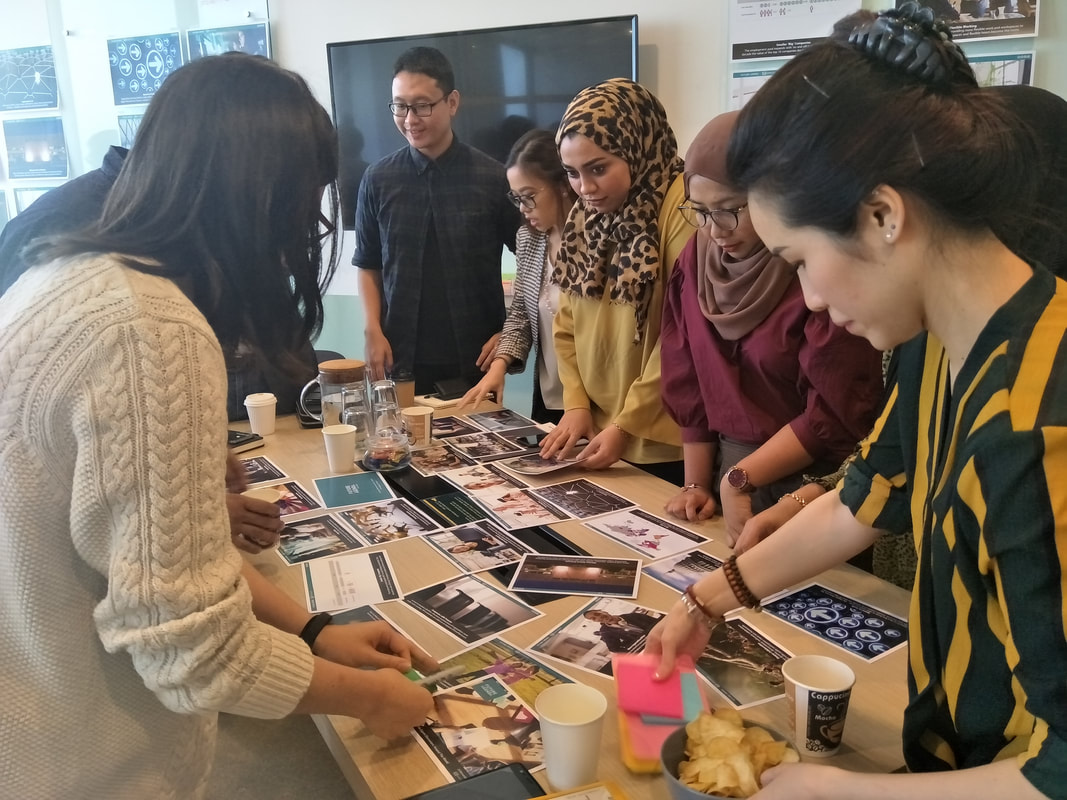 After the sharing session was completed, Tim Jones, founder and director of Future Agenda, took over for the roundtable discussion. He started off by explaining the Future of Work cards, the trends & potential challenges that would impact large organisations. Each group then were distributed a deck of cards, and they were required to categorise the cards according to impact level (low, medium and high). Tim then evaluates and opens the room for discussion once the cards were arranged according to ratings. After the group activity, each individual was given ‘hearts’ to vote on which trend will be happening in Malaysia. The top 5 trends were:
Huge thanks to our awesome Future of Work participants from Maybank, UMW Corporation, Academy Science of Malaysia, OpenExo, Touch N Go, Sunway, Sime Darby Plantation, Bank Negara Malaysia, Cense Media, Wholesome Leaders, SCS, PNS, UTM, Futurise, Common Ground, GoGet & Workana!
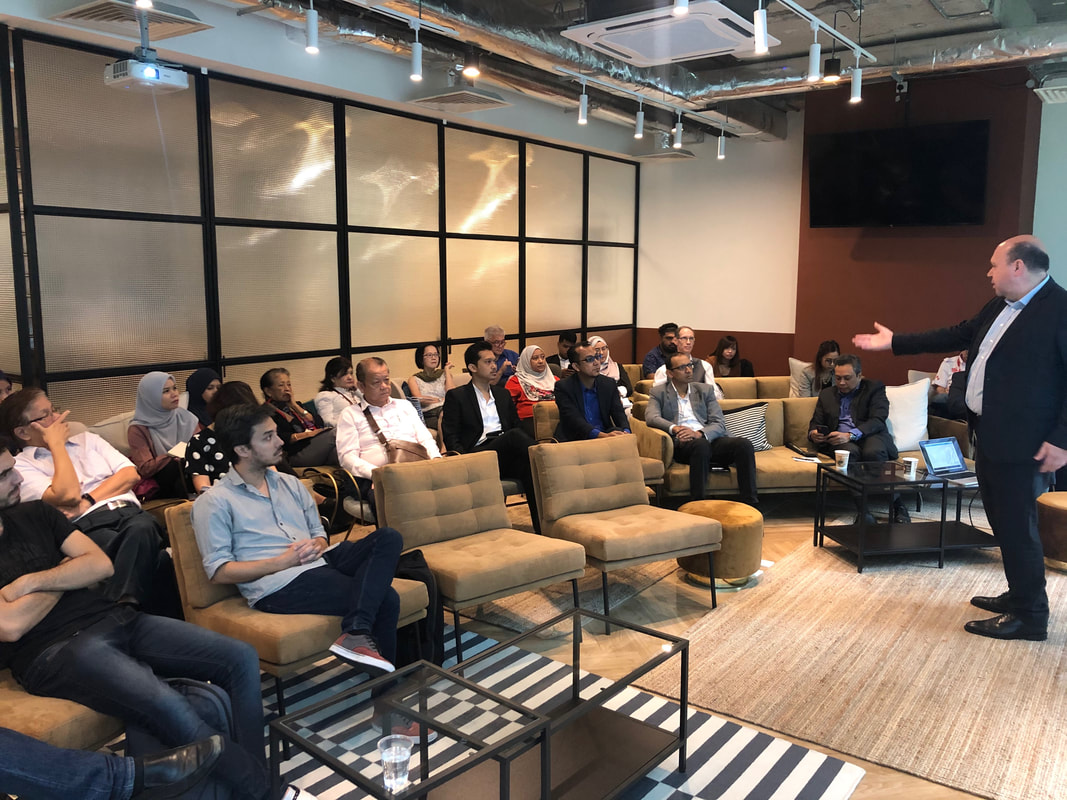
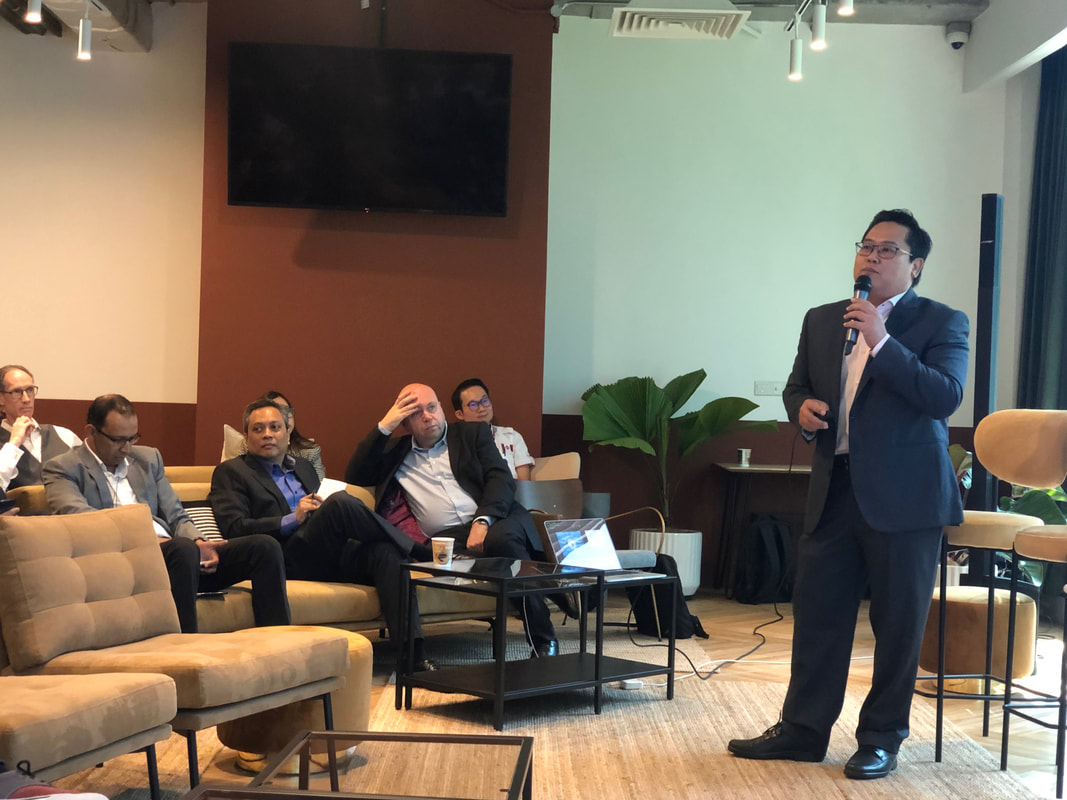
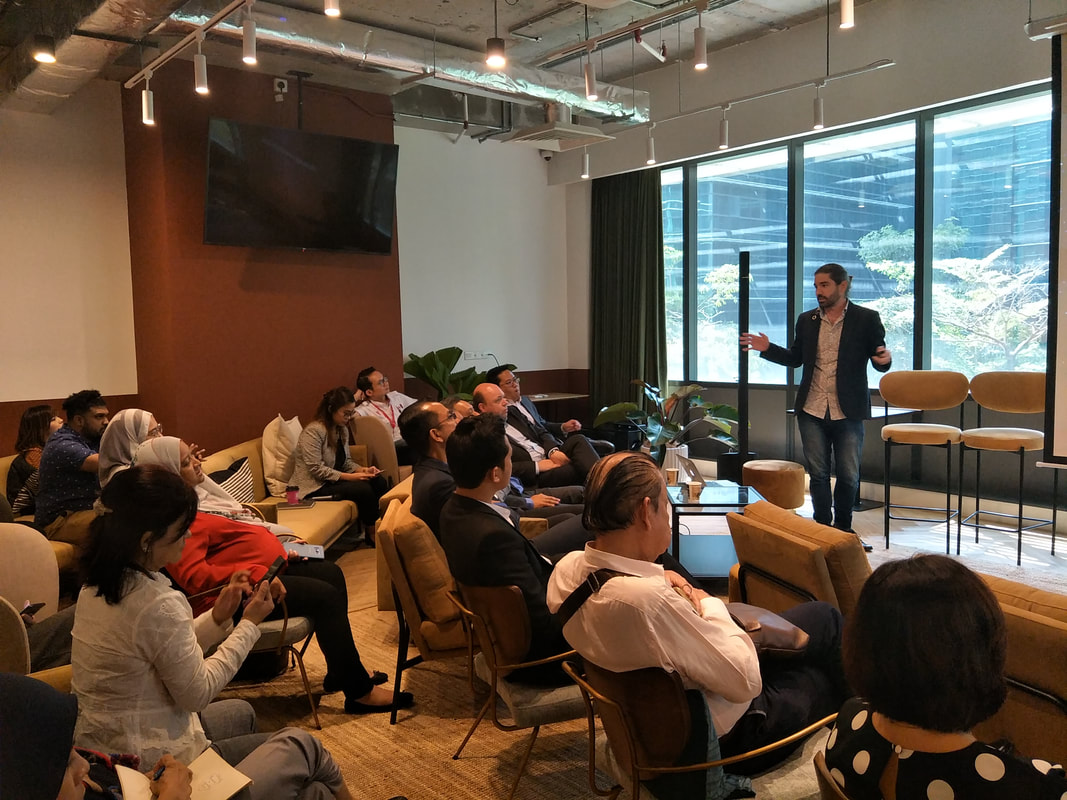
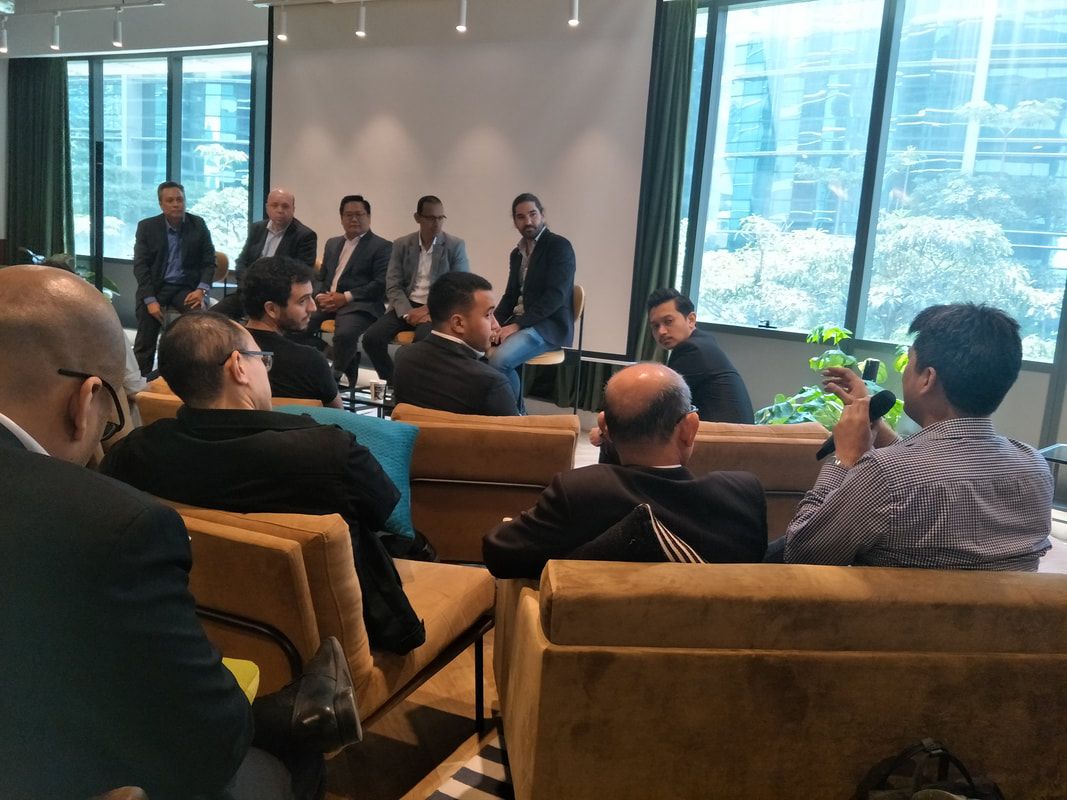
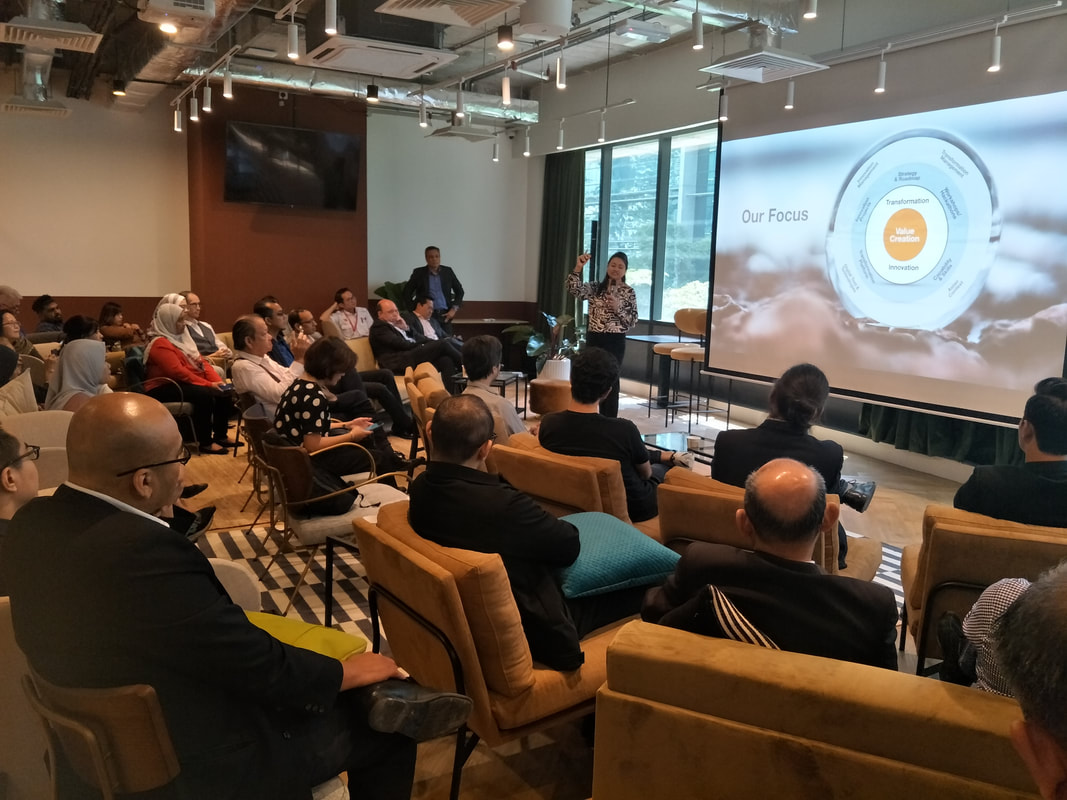
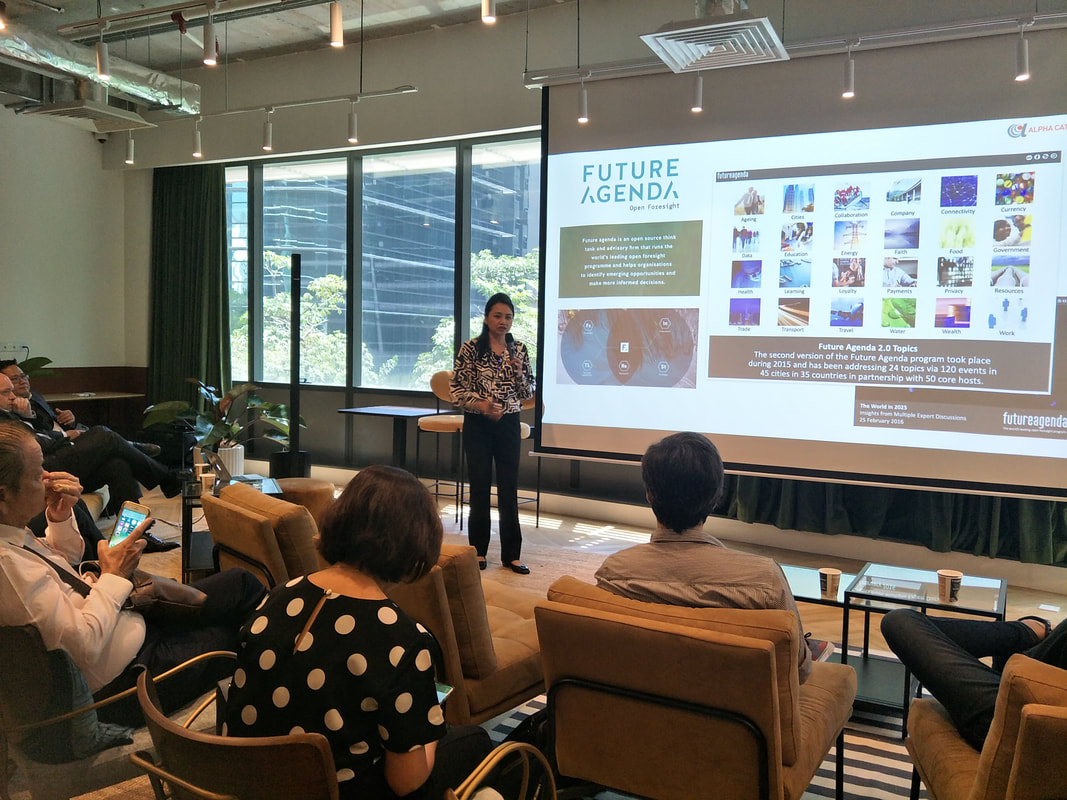
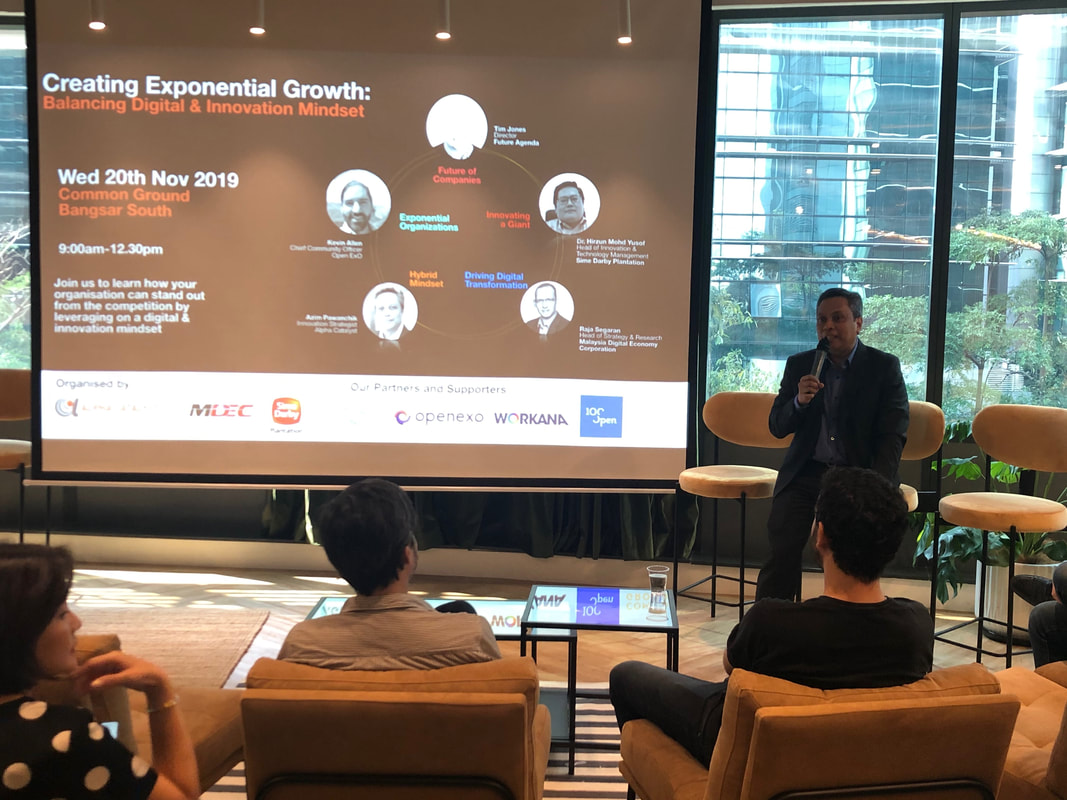 We recently had a launch event for our Accelerating Corporate Transformation (ACT) programme and platform at Common Ground Bangsar South on the 20th November 2019. Our remarkable panellists shared their insights on innovation, foresight & exponential transformation, and inspired the attendees from both the public and private sector to find balance in their innovative & digital mindset. The event started off with Tim Jones, the Founder & Director of Future Agenda, sharing on the Future of Companies. Future Agenda is an open-sourced think tank and advisory firm that runs the world’s leading open foresight programme and helps organisations to identify emerging opportunities and make more informed decisions. Based on insights from multiple expert discussions across the globe, three themes were touched upon for the Future of Companies: New Social Contract, The Digital Business and Future Organisations. Within the discussion of New Social Contract, companies need to have a purpose as trustworthy organisations are rated the highest by the upcoming generations. The alignment between business models to customers’ and society’s values should be one of the priorities for companies. The Digital Business section brought up topics revolving data marketplaces and data as an asset. Among the discussion points, valuing and taxing the data were brought up. Looking at the other side of things, data can also be a liability. Does the risk and cost outweigh the benefit? The shift of the way of work was discussed during the Future Organisations section. The rise of smaller ‘big’ companies like Grab was brought up. How roles are being reinvented as machines outperform human operators were also touched upon. To access his slides, access this link.
The event started off with Tim Jones, the Founder & Director of Future Agenda, sharing on the Future of Companies. Future Agenda is an open-sourced think tank and advisory firm that runs the world’s leading open foresight programme and helps organisations to identify emerging opportunities and make more informed decisions. Based on insights from multiple expert discussions across the globe, three themes were touched upon for the Future of Companies: New Social Contract, The Digital Business and Future Organisations. Within the discussion of New Social Contract, companies need to have a purpose as trustworthy organisations are rated the highest by the upcoming generations. The alignment between business models to customers’ and society’s values should be one of the priorities for companies. The Digital Business section brought up topics revolving data marketplaces and data as an asset. Among the discussion points, valuing and taxing the data were brought up. Looking at the other side of things, data can also be a liability. Does the risk and cost outweigh the benefit? The shift of the way of work was discussed during the Future Organisations section. The rise of smaller ‘big’ companies like Grab was brought up. How roles are being reinvented as machines outperform human operators were also touched upon. To access his slides, access this link.
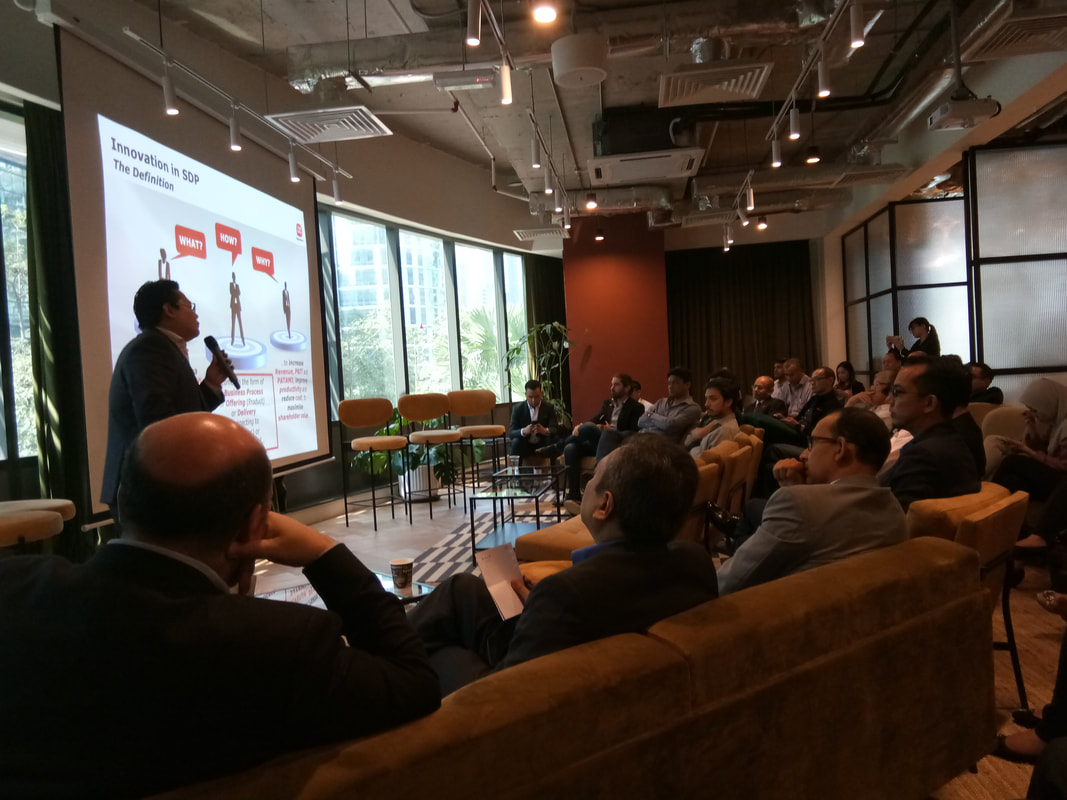
As the attendees were exposed to what can be expected of the future, we then had to see how corporates brace themselves with these coming changes with innovation. Dr. Hirzun, Head of Innovation and Technology Management at Sime Darby Plantation (SDP) shared his insights on innovation within a large traditional company like SDP. For professionals at SDP, innovation is finding a specific idea and value and delivering it through a business process or model to drive a specific purpose. This could be from increasing revenue and productivity to increasing shareholder value through sustainability initiatives. Dr. Hirzun also shares how the company overcomes the negative perspectives clouding the oil palm industry by innovating and becoming pioneers in a number of sustainable practices in the industry. At his ending note, he stresses that without the right culture to innovate in a large organisation, tools and systems put in place for innovation will not be optimised. Some of the cultural barriers mentioned are the unwillingness to share issues as Malaysians and the unforgiving perspective of failure within corporates. To learn more about Sime Darby Plantation and Dr Hirzun’s presentation, access here.
Moving forward from the insightful session from Dr Hirzun, we had a representative from Open ExO to share on what it takes to be an Exponential Organisation. Kevin Allen is the Chief Community Officer at Open ExO, a global community of exponential thinkers with a purpose to transform the world for the better. He shares that we as human beings are not wired to think exponentially and that thinking linearly is very much our default. He highlights that as technology is becoming cheaper and more accessible, disruption is inevitable in almost every industry. As industries become more digitised, they will be disrupted by these technologies offering new ways to provide or deliver products and services. What follows this disruption is normally demonetisation, as products and services have increasingly low marginal costs hence democratising them as the product and services are being made available to the masses faster, easier and cheaper. ExO, with Hult University, studied a number of exponential organisations and were able to identify 11 attributes associated with an exponential Organisation. These 11 attributes are covered in Kevin’s slides which can be found on the ACT platform. Kevin cautioned the attendees that, while exponential transformation is needed in corporates, organisations tend to have an immune system which attacks change initiatives, including innovation & transformation. Access his slides here.
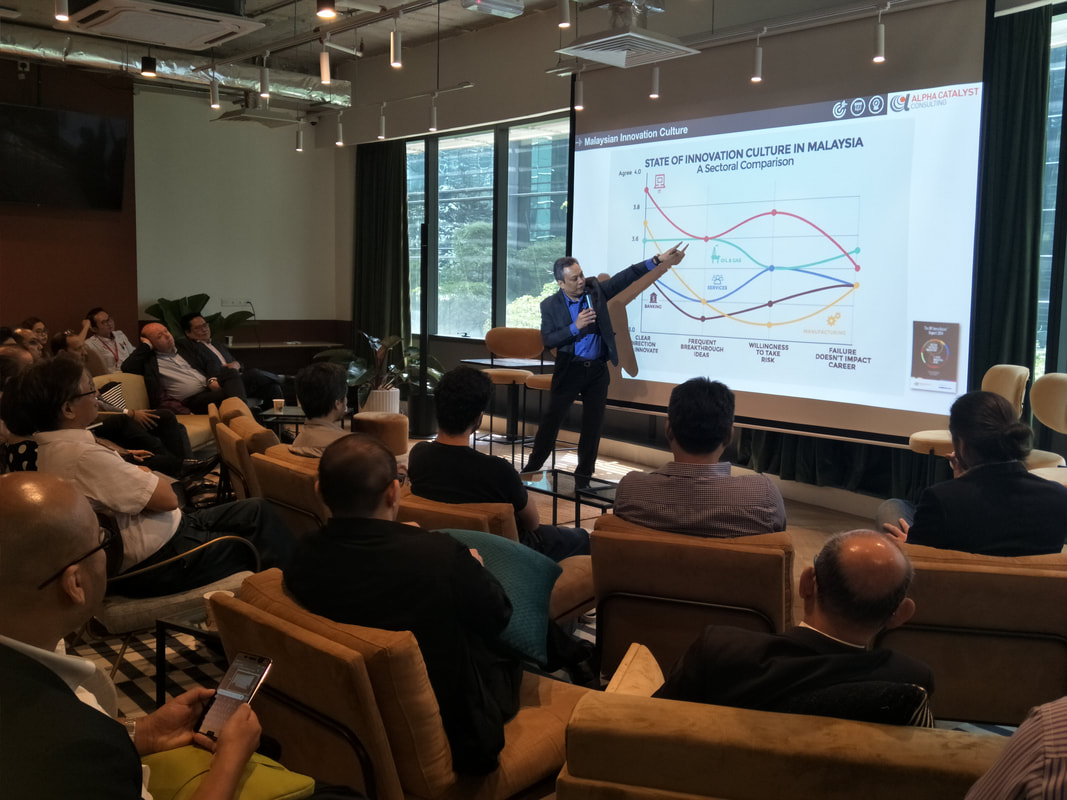
Last but not least, Azim Pawanchik, Alpha Catalyst’s Innovation Strategist, discusses the hybrid mindset necessary for the digital economy. He shared statistics on key innovation drivers and challenges within Malaysia. Other than lack of direction to innovate, employees also feel the lack of support and empowerment from leaders. Unlike what most corporate leaders think, employees are not expecting monetary rewards when it comes to innovation. To learn more about the statistics, access the ACT platform.
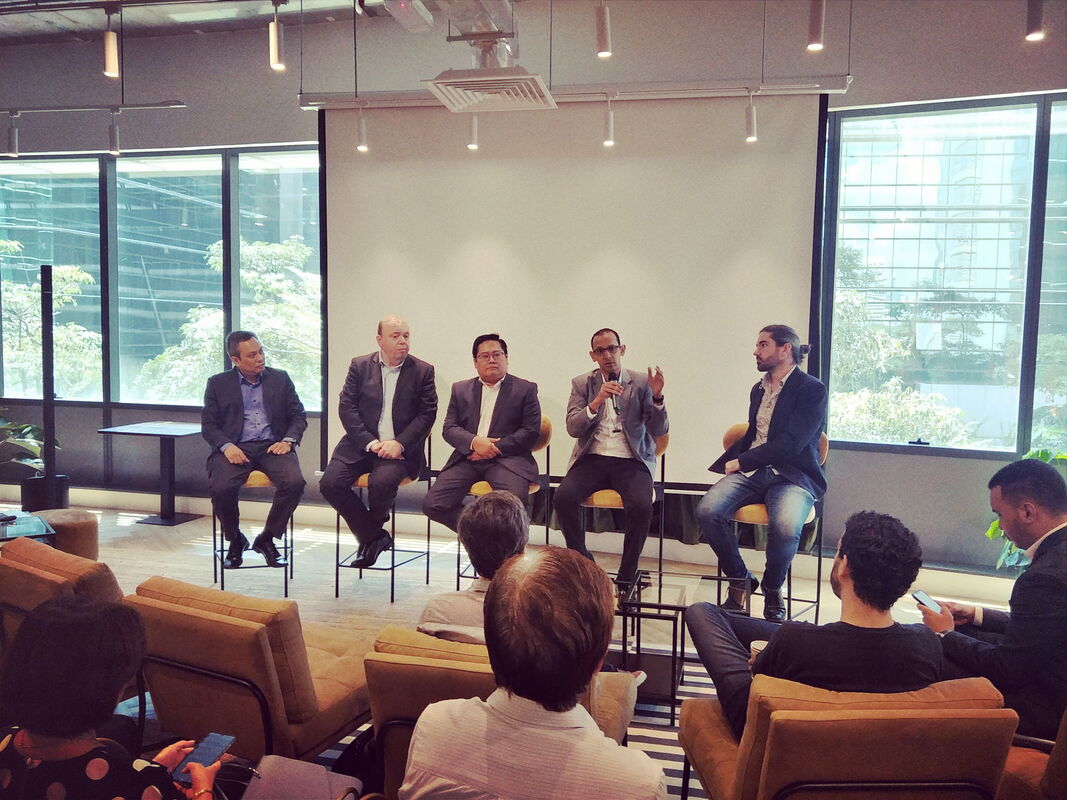
Next on the agenda was the panellist discussion, where our speakers were joined by Raja Segaran, Head of Strategy & Research at MDEC, to answer questions from the floor. It was kicked off with Raja Segaran sharing the variety of MDEC’s digital transformation initiatives from the public sector, such as the Global Acceleration & Innovation Network (GAIN) and Digital Transformation Acceleration Programme (DTAP), where the aim is to start small and scale fast. Raja expressed his concern on the demand side of technology adoption, sharing that there is resistance from the private sector to adopt emerging technologies while there are plenty of suppliers. Attendees also shared concerns on these initiatives being heavily catered to the larger organisations rather than SMEs which makes up 98% of registered businesses in Malaysia. The panellists then debated the risks of not transforming the larger organisations as they contribute roughly 60% of Malaysian economic activity. They argued that it is not entirely about providing significant resources to these organisation but to create a positive ripple effect across the economy as SMEs are still dependant on larger companies and GLCs. This begs the question if the economic structure needs to change. Kevin also shared that organisations and country needs tools and mechanisms in place to change mindset of individuals. He highlighted that traditionally, policies tend to be crafted based on a scarcity mindset rather than abundance. Finally, the panellists addressed changing the mindset and culture in a traditional hierarchical structured world. How can leaders promote autonomy within a hierarchical culture? Leaders found that although Malaysia struggles to move away from the norm in governance and leadership, there are early signs of change and the future is bright for transformational leaders.
To end the session, Dr Suraya Sulaiman, Alpha Catalyst’s Innovation Provocateur, launches the ACT Platform. Leveraging on the future of platform-based economies, ACT platform aims to create an enabling environment by connecting the communities of practitioners, innovators and disruptors. The platform acts as a conducive co-creation ecosystem, with access to exclusive resources and knowledge from global advocates of digital transformation and exponential growth. Join the movement, and be part of the conversation! 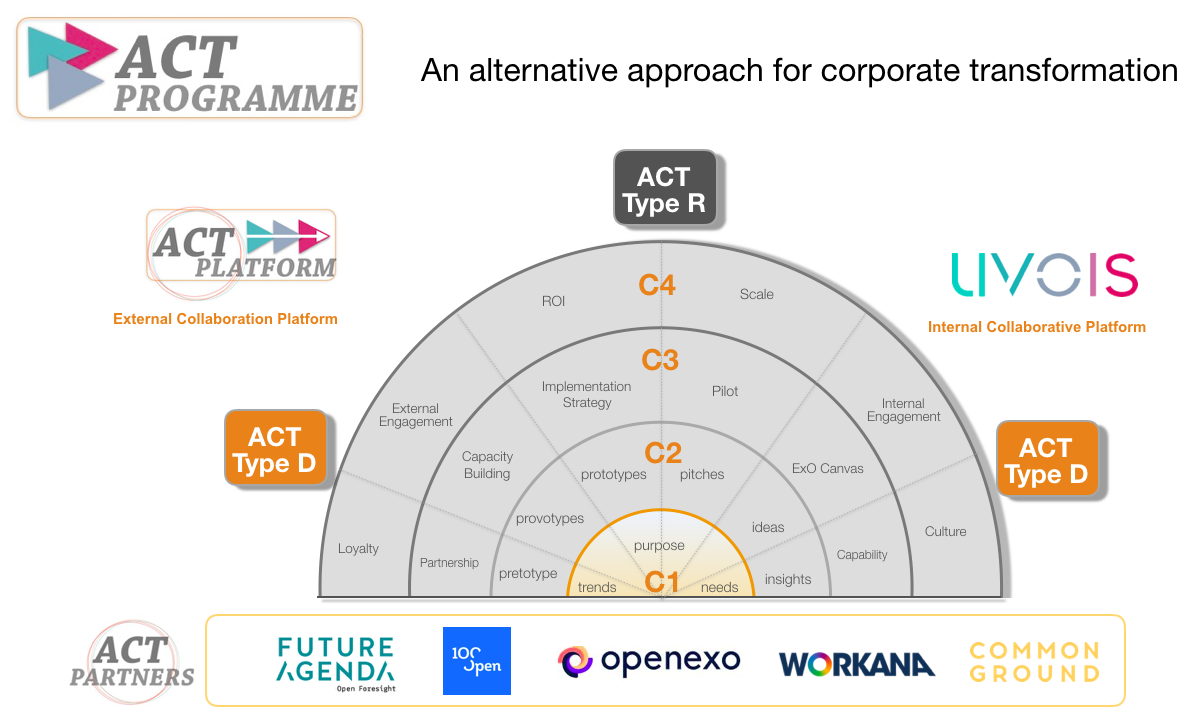 The platform will supplement our ACT programme as we aim to digitise our consulting and advisory efforts for our clients. Allowing our clients to leverage on A.I, Data Analytics and Gamification functions, to uncover growth opportunities, capture ideas and scale solutions in a robust manner. The framework above shares how corporates of our ACT programme are able to take on transformation initiatives of various degrees. From refining core businesses to a divergent approach and exploring new opportunities for the company.
How do I sign up for The ACT Platform?
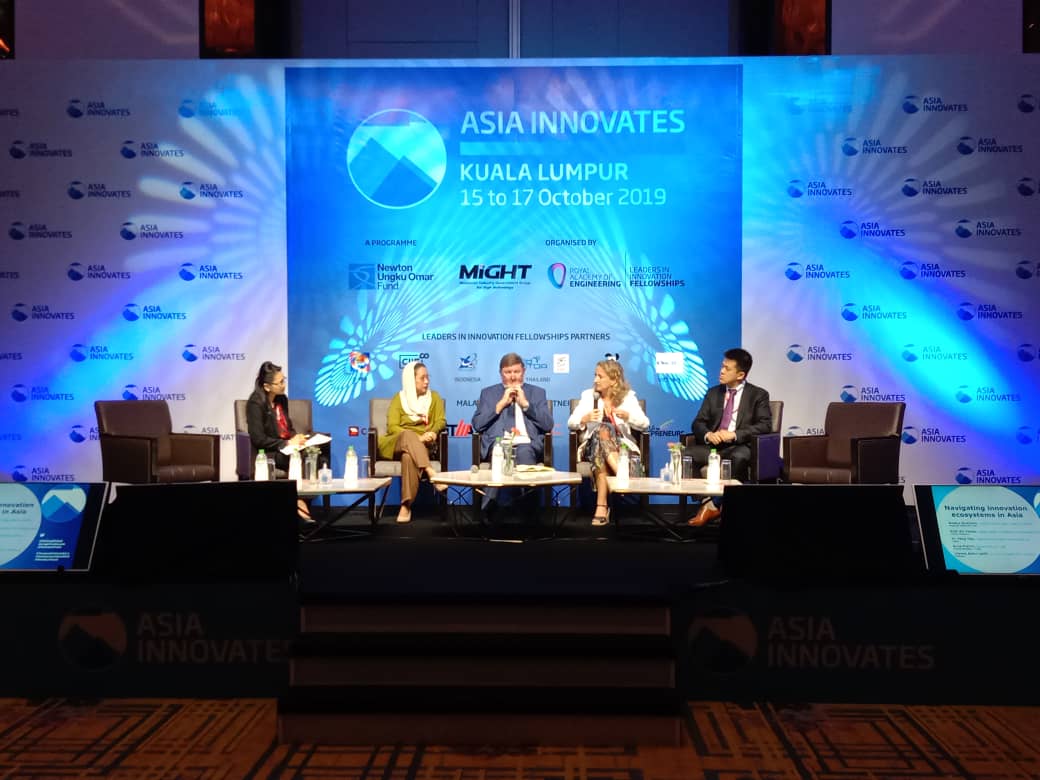 Our Innovation Provocateur, Dr Suraya, moderated such a distinguished panel of speakers on 'Navigating Innovation Ecosystems in Asia' @Asia Innovates Summit 2019, which was organised by the Royal Academy of Engineering (UK) and Malaysian Industry-Government for High Technology (MIGHT).
Prof. Ric Parker (Special Advisor on technology and technology transfer, UK), Anna French (Dep. Head, Department for International Development (DFID) India), Feng Tian (Chairman & CEO Phomera Metamaterials) and Lilyana Abdul Latiff (CEO & Co-Founder BETA Foundation) was part of the panel.  OpenExO is the global transformation ecosystem with more than 2,500 coaches, investors, consultants and innovation specialists helping organisations, institutions and people unlock abundance to change the world.
With the OpenExO Consultant Certification, Azim Pawanchik will be able to further help Asian companies to adopt an exponential mindset, use practical tools and discover disruptive opportunities to empower them becoming professional in transforming the world for a better future. For more information on OpenExO, see this link. 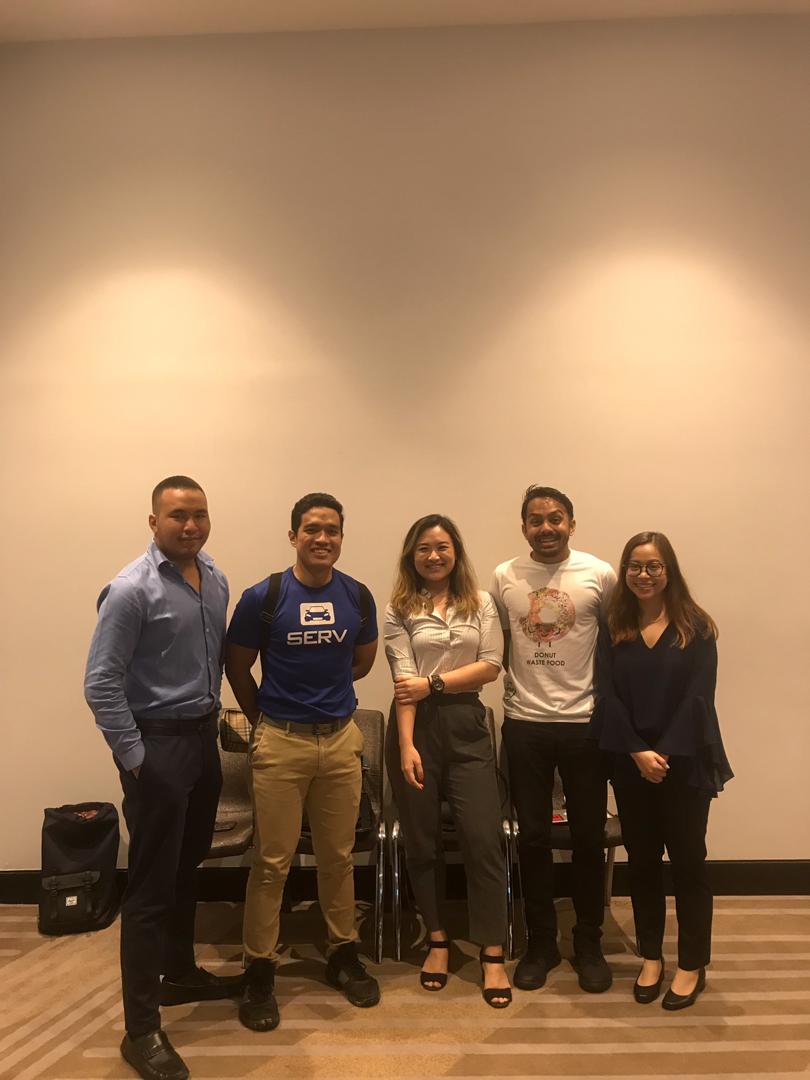 As part of Petronas' Tactical Excellence programme for Senior Managers, Alpha Catalyst partnered up with Duke Corporate Education to host the 'New Leadership Lenses' session where startups shed a light on their journey, mindsets and stories.
Charting A New Path For Innovation: Malaysia Open Science Platform (MOSP) 7th November 20198/11/2019
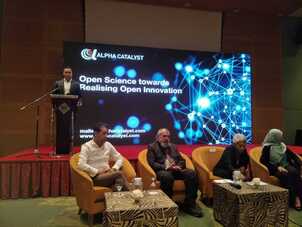
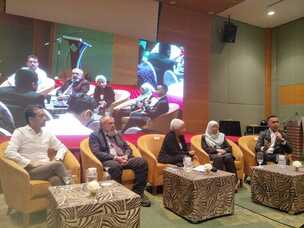
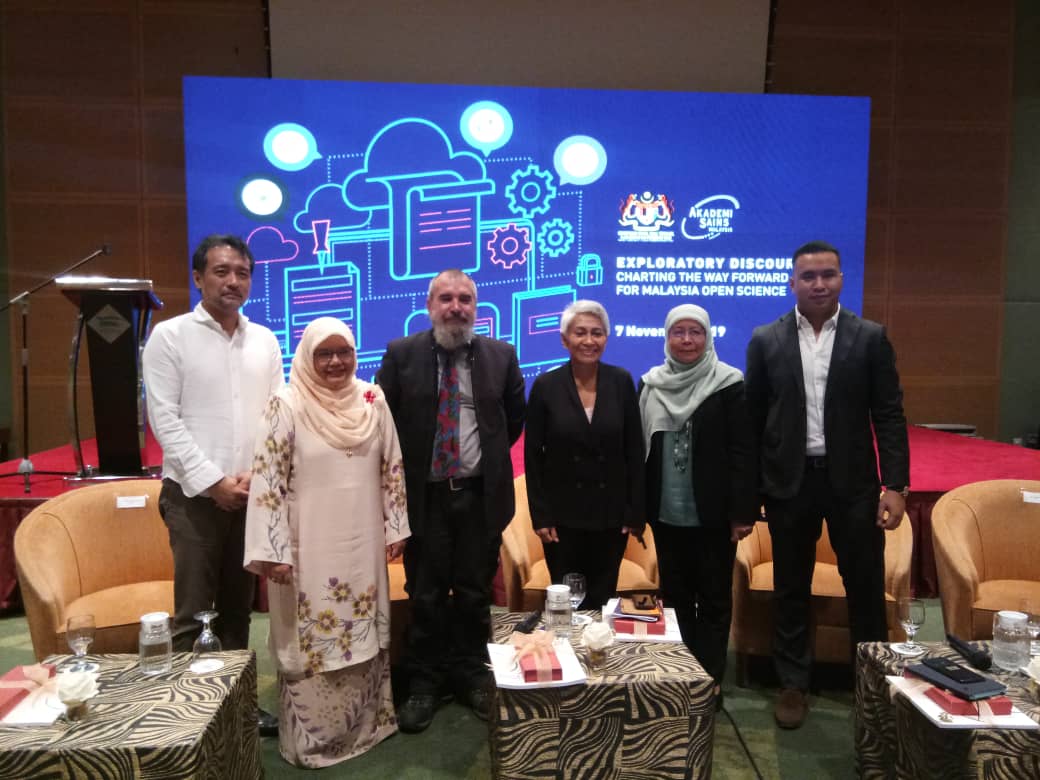 In the efforts to enhance national innovation ecosystem towards wealth creation and societal well-being, the Ministry of Energy, Science, Technology, Environment and Climate Change (MESTECC) and the Academy of Sciences Malaysia (ASM) will be implementing two flagship initiatives named as Malaysian Collaborative Network Platform for Disruptive Innovation (I-CONNECT) and Malaysia Open Science Platform (MOSP). Our very own Innovation Futurist, Mallek Aminullah, was a part of the panelist discussion session titled Exploratory Discourse: Charting the way Forward for Malaysia Open Science. Mallek spoke on Open Science towards realising Open Innovation. While the Open Science initiative promises to make data from all stages of scientific research to be findable and accessible with little to no barriers. How then can the scientific community leverage on this opportunity to bring business value to the private sector in the form of innovation initiatives that are aligned with the corporate strategy. It was touched on how through open innovation, members of the industry and academic community can collaborate and co-create to provide exponential value at a national level. With the rapid change in technology, the competitive landscape has shifted and the need for knowledge and information sharing is sorely needed. Organisational leaders have the responsibility to create a conducive environment that encourages individuals and teams to experiment, learn and build relationships of trust.
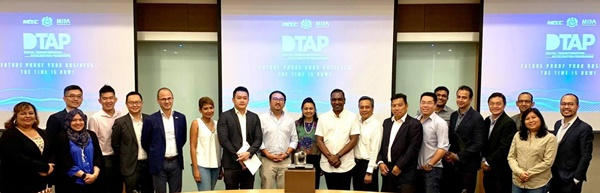 Established in partnership with global experts, the Digital Transformation Labs (DTL) help companies identify business pain points using specific methodologies to brainstorm on new ideas, design new business models, develop new products and/or technology designs, and pilot the implementation plan. Through the DTL, a company is able to set out a digital transformation journey of their own.
To support the digital transformation journey, matching grant is provided from MDeC & MIDA to help manufacturing and manufacturing related companies transform digitally. (Up to RM1 Mil.). Alpha Catalyst has been appointed as DTL partners. The Role of the Digital Transformation Labs:
To read more on DTL & DTAP programme, see link. 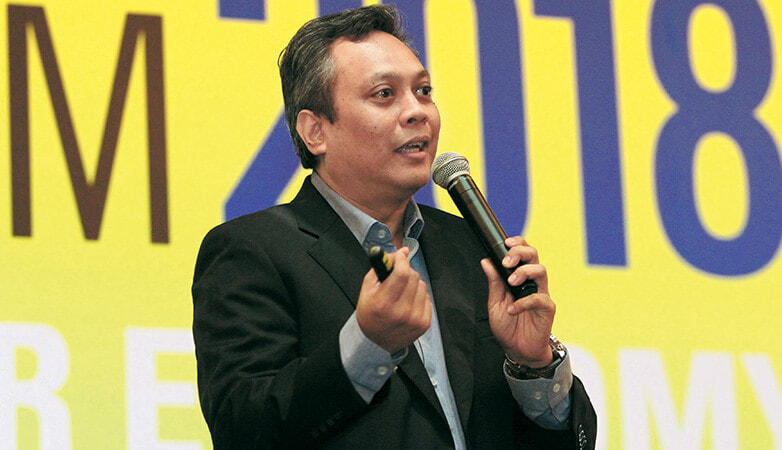 The circular economy is a US$4.5 trillion opportunity over the next two decades waiting to be tapped by companies savvy enough to understand what it is, where they fit in and how to carve their niche in it. The Edge Malaysia managing editor, Anna Taing, in her opening speech at The Edge SME Forum 2018, defined the circular economy model as one that is relevant today because of the potential it offers to industries while at the same time being about sustainable development. “It has been estimated by some experts that the circular economy can generate a market worth US$4.5 trillion by 2030,” she added. Taing defined the circular economy model as one that is purposely regenerative and restorative by design. “It is aimed at keeping products, components and materials at their highest utility at all times. What does this mean? What you can’t repair, you refurbish. What you can’t refurbish, you strip down to its essentials and use the parts.” The Edge SME Forum 2018 was themed: “The Circular Economy: An Amazing Untapped Opportunity.” Azim, our Innovation Strategist, spoke on the urgency for small and medium enterprises (SMEs) to jump on the circular economy bandwagon. For more details on the event, check this link. 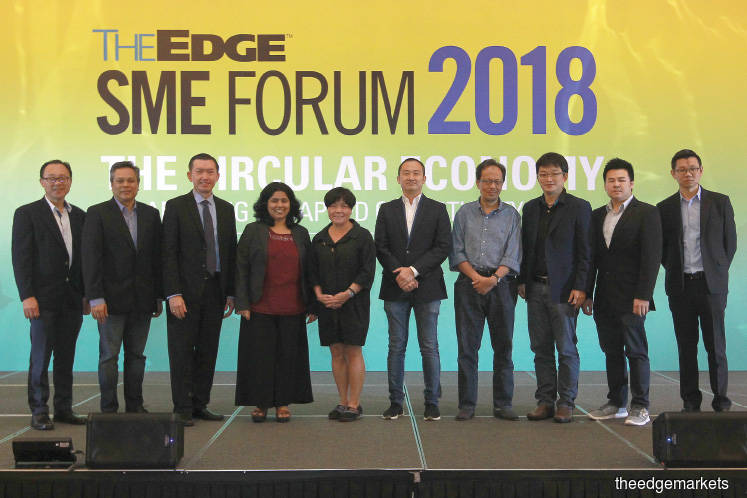 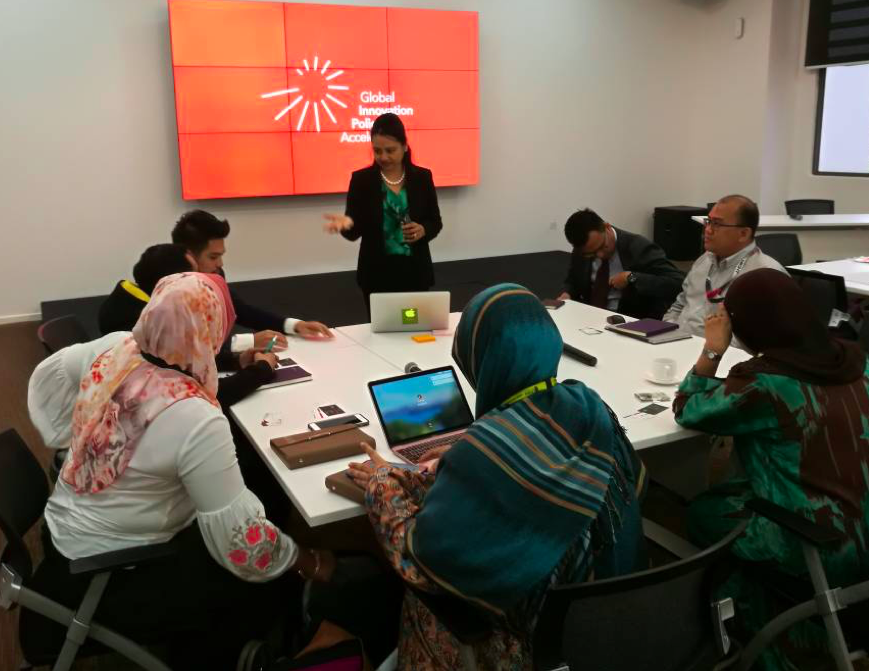 Engaged by Nesta as an in-country partner for the Global Innovation Policy Accelerator (GIPA) project - A development programme for innovation policy leaders and managers, at the ASEAN level. GIPA is done in collaboration with Innovate UK , funded through the UK government’s Newton Fund.
Alpha Catalyst (AC) was responsible for carrying out the scoping research study, designing a focus area for Malaysia to work on, in addition to identifying and engaging suitable individuals for the programme. Subsequently, AC oversaw the project in Malaysia, facilitated interactions, where necessary and reported back to the UK team on progress made. For more information on GIPA, see this link.  ISPIM, the International Society for Professional Innovation Management, is delighted to launch the first ISPIM Grand Prize (Asia Pacific), a competition to recognise excellence in the areas of innovation management.
All commercial enterprises, including not-for-profit entities in Asia Pacific region are invited to participate in the esteemed competition. The competition is not intended for academic institutions. 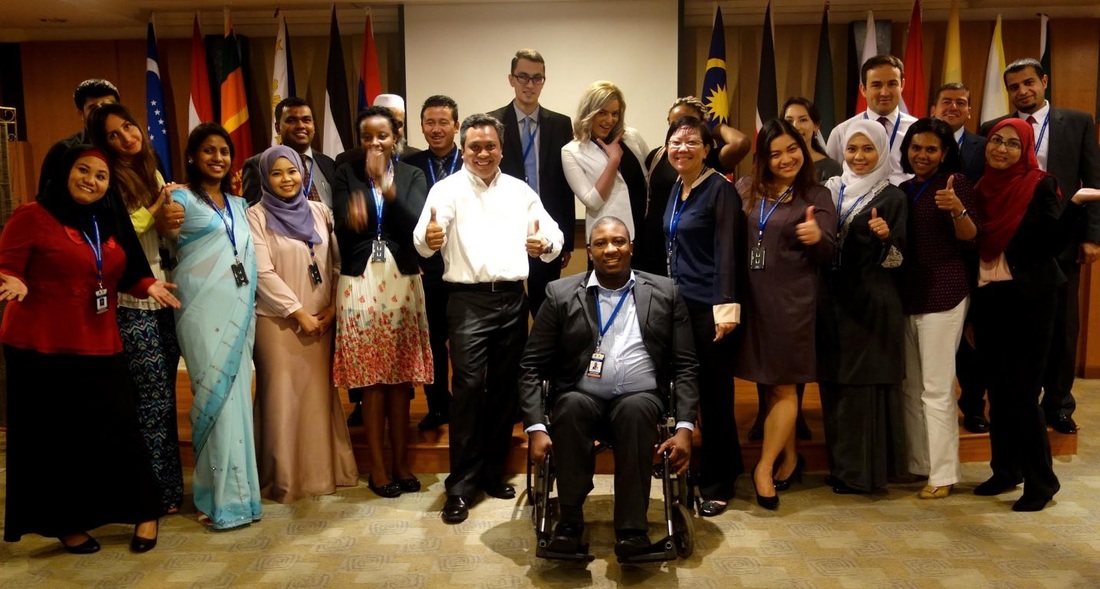 A “Strategic Analysis for International Participants” program was organised by the Ministry of Foreign Affairs Malaysia under the Malaysian Technical Cooperation Programme (MTCP). It was held from 20 July 2016 to 5 August 2016 for mid-career diplomats whose tasks and functions are related to diplomacy, crisis management, security and international relations. ACC was engaged to conduct a workshop on “Strategic and Innovative Thinking”. This formed a foundation for other modules related to strategic thinking which is core to diplomats in ensuring long-term success in the economic, political, social and diplomatic arena. Participants came from 18 different countries. During the workshop, participants were involved in various activities, and were exposed to case studies that helped them examine their own strengths and weaknesses towards developing and building the versatility and dexterity needed to meet the challenges of a globalised environment. This included a segment on the InnovAsian®Mindset, which introduced them to various philosophies that are useful when developing solutions in a resource constrained environment.
"The Strategic and Innovative Thinking module taught me how to juggle work efficiently" - Syamim Nabilah Daud, Brunei Darussalam One of the most outstanding module was on Strategic and Innovative Thinking! This will enable me to logically solve problems through clearly defining my goals and objectives and how to be innovative in overcoming challenges. Shaista Nyirenda, Malawi The contents of the course was comprehensive, timely and interesting with discussion on current topics. The class was also lively, informative and interactive. It impressed me very much. Muhammad Mizanur Rahman, Bangladesh 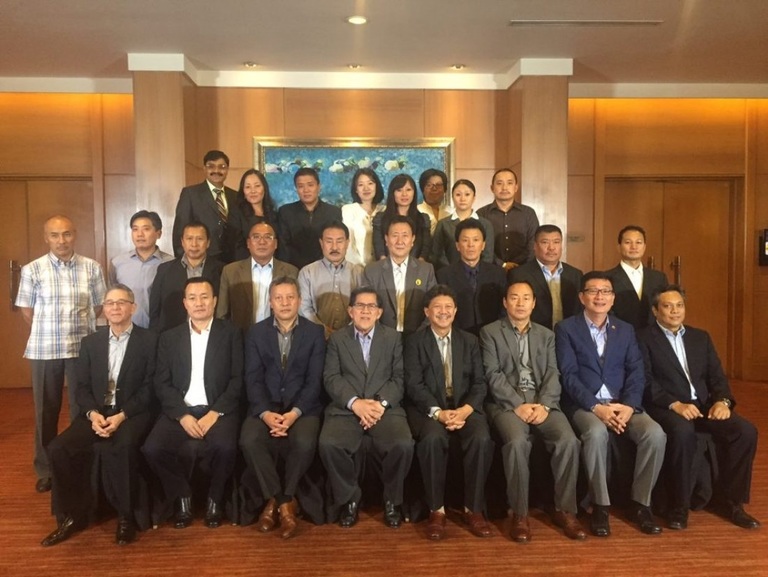 Alpha Catalyst Consulting was part of the faculty running a week-long session for the Board of Directors from DRUK Holding & Investment Ltd. (DHI), the commercial arm of the Royal Government of Bhutan. The attendees comprised leaders who head various entities within Bhutan, ranging from telecommunications, energy and finance to entrepreneur development. The team from DHI was led by their Chief Executive Officer, Dasho Karma Yezer Raydi. The one-day session run by Alpha Catalyst Consulting guided participants on how to infuse elements of innovation when designing strategic and growth plans for their respective organisations.
 BLENDING TOMORROW’S INNOVATION VINTAGEOrganised by ISPIM, and supported by ANI – Agência Nacional de Inovação (the National Innovation Office of Portugal), this event is for innovation researchers, industry executives, thought leaders and policy makers to:
Alpha Catalyst also conducted a workshop during the corse of the conference, titled ‘ Strategies to engage employees to innovate’. This explored strategies that organisational leaders need to put in place to catalyse innovation within the company, particularly using digital initiatives. We shared some of the strategies which have been implemented in client organisations while the participants also shared theirs. Others, who have yet to use a system, also learnt the do’s and don’t when implementing one! All in all, the workshop was a huge success with participants raving a positive review. 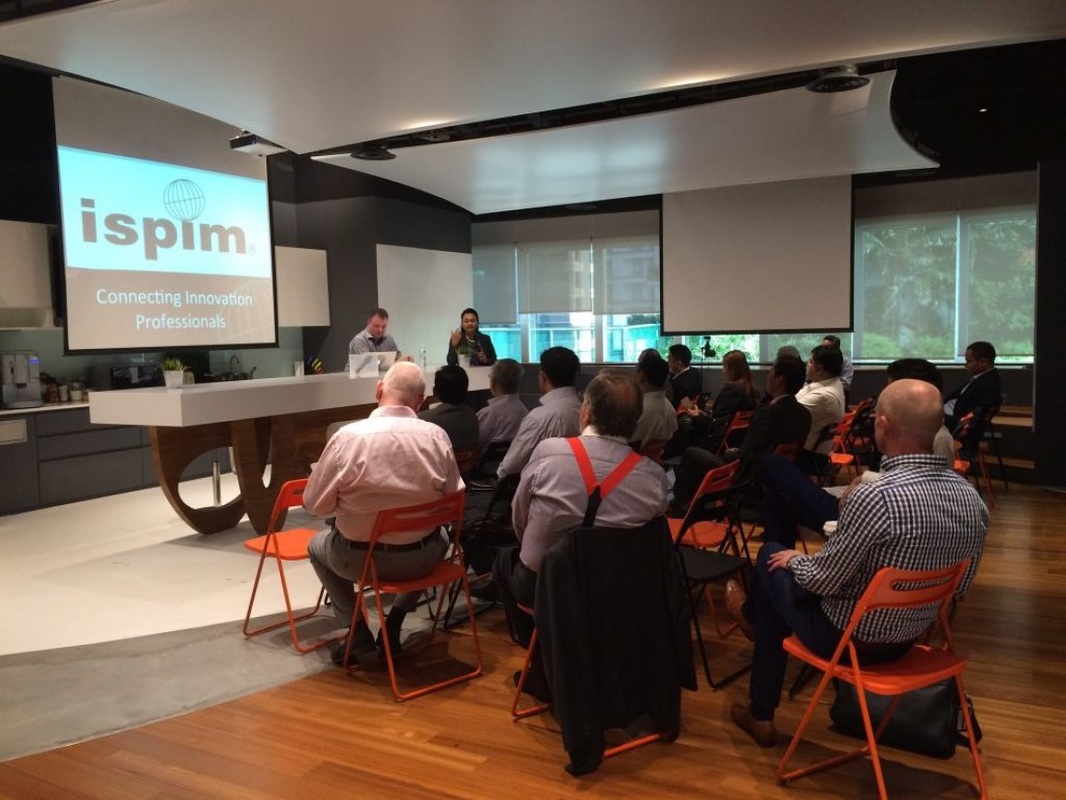 In preparation for the upcoming ISPIM Conference to be held in Kuala Lumpur in December 2016, Alpha Catalyst Consulting collaborated with ISPIM to organise a pre-conference event. This event aimed to begin a conversation surrounding the theme of “Moving the Innovation Horizon”. The venue was graciously provided by Maybank Innovation Centre at their very swank set-up in Etiqa Twin Towers, Kuala Lumpur.
Participants had the privilege to listen to a couple of speakers: Amran Hassan, Head of Innovation of Maybank on Disrupting the Financial Industry; Jaffri Ibrahim, Chief Executive Officer of CREST on Disrupting with the Internet of Things; and Garrick Lim, Business Development Lead of Crowdo on Triggering Iain Bitran, the Executive Director of ISPIM was also on hand to launch the Asia Pacific ISPIM Grand Prize, an award which recognises excellence in Innovation Management. Conversations and questions were rife throughout the half-day session and continued over lunch. Many new connections were made and older ones strengthen. Many new partners also came on board, ready to make the ISPIM KL in December a success!  The Alpha Catalyst Consulting team was recently involved in the discussion on the Future of Cities, led by Future Agenda, the largest open foresight initiative. Future Agenda is focused on key issues facing society over the next decade and has generated insights from over 120 workshops, held in 45 locations around the world. The focus on cities emerged from a realisation that cities around the world are currently growing at a massive scale, and are home to 50% of the world’s population. Cities generate 80% of the global GDP but also consume 75% of the world’s natural resources.
If you're interested in work done by Future Agenda, you can visit them at: http://www.futureagenda.org/ 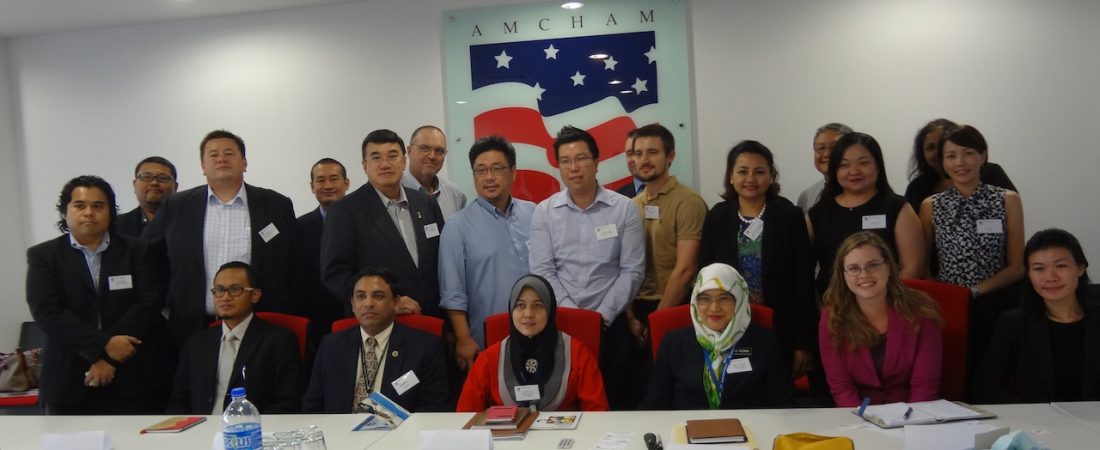 Alongside at least 30 other high-level representatives from AMCHAM member companies such as Colgate-Palmolive, Pricewaterhouse Coopers, and Western Digital, Dr. Suraya Sulaiman of Alpha Catalyst Consulting met with Puan Anis Rizana binti Mohd Zainudin (Director of Malaysian NKRA against Corruption).
Puan Anis elaborated on the government’s effort to combat corruption as well as to increase transparency and public trust relating to the country’s enforcement bodies. Although ACC has not been involved in the NKRA Against Corruption’s initial initiatives, ACC had previously participated in a project under PEMANDU’s Reducing Crime NKRA, via an effort to crowdsource a deeper understanding of the fear of crime within the Klang Valley.  Alpha Catalyst Consulting and MINDA brought in the Innovating Malaysia Conference 2014 Keynote Speaker, Professor Jean-Philippe Deschamps. Professor Deschamps talked about “Innovation Governance in Practice – How Top Management Promote, Steer and Sustain Innovation”.
The Tea Talk was attended by Chairmen, Directors and CEOs. Professor Jean-Philippe Deschamps focuses his research, teaching and consulting activities on the management of innovative new products with an emphasis on: • Managing products and technologies strategically • Linking technology and product strategies • Managing innovation and product development as a process • Building an innovation culture • Setting up innovation management mechanisms • Leading and governing innovation at top management and board level, i.e. promoting, steering and sustaining innovation Prior to joining IMD Business School Switzerland, Professor Deschamps was based in Brussels as a corporate Vice-President with Arthur D. Little, and Chairman of the firm’s technology and innovation management practice, which he created in 1981. Before that, he was Arthur D. Little’s first European practice leader for strategy and organisation. He has nearly forty years of international management consulting experience throughout Europe, North America, Asia and the Middle-East. Professor Deschamps has also written numerous articles and books, where one of the books he co-authored “Product Juggernauts” has been listed on the best-selling list of the Harvard Business School Press.  
The ISPIM (International Society for Professional Innovation Management) conference was held on 7-10 December, 2014 in Singapore.
Keynote and plenary speakers included :
 Alpha Catalyst Consulting was the Innovation Partner for the IHL-MSC Startup challenge 2013/2014, organised by Multimedia Development Corporation (MDeC). The competition saw close to 100 submissions from 21 universities and polytechnics across Malaysia. There were two categories, Business Idea segment and the Business Plans segment. Aina Zahari, our Director for Innovation Processes & Analytics, was a final round judge for the Business Idea segment. This provided very good exposure for the students, as there were training workshops by sponsors and supporting organisations that provided guidance to the participants.
ACC was pleased to open up minds of about 30 interested university students via a one-day workshop prior to the competition kick-off. We want to be involved in competitions that encourage ideation and the innovation, as we are able to witness budding young entrepreneurs showcase their ideas and aspirations. In this year’s rebranded edition of the challenge, the competition submission flow became paperless for the first time, pioneering the usage of InnovAsian® Space, ACC’s patent pending online platform for enterprise idea management (that we specially customised for MDeC, to allows participants to save and post their business ideas or plans). It also helped tremendously in the administrative and judging stages (both pre-qualification and final rounds), in particular. Overall, we were pleased to be part of the IHL-MSC Startup Challenge experience and in furthering its objectives! |
|||||||||||||||||||||||||||||

 RSS Feed