
Building the Ecosystem for Medical Drone Delivery in Tawau
The medical drone delivery pilot in Tawau, Sabah, highlights that transforming an emerging technology into a real-world healthcare solution requires more than the drone itself. Led jointly by MCMC and MoH, the initiative brings together stakeholders across government, healthcare, technology, operations, and the local ecosystem to align on the operational, regulatory and implementation requirements. Through a recent Stakeholder Workshop, Alpha Catalyst supported stakeholders in translating the ambition into coordinated action — demonstrating how effective innovation management can bring diverse perspectives together to build solutions that are practical, scalable and designed for real-world impact.
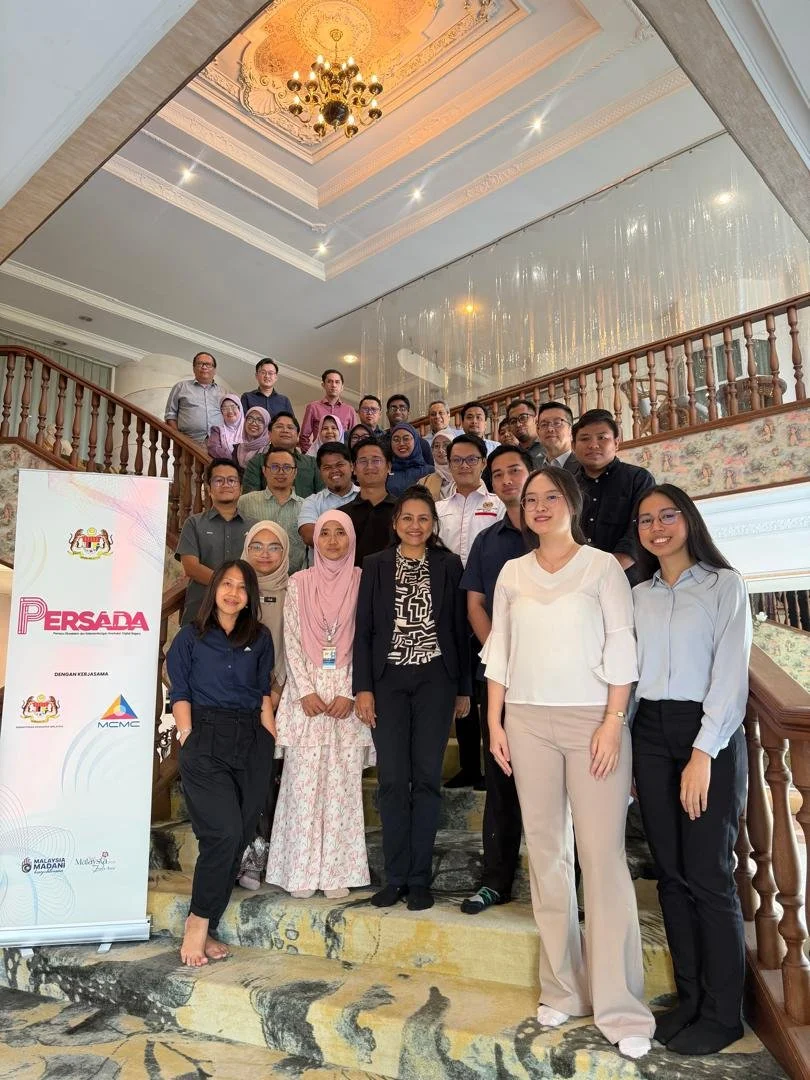
Turning an ambitious healthcare innovation into reality requires more than technology. It requires people, institutions and communities working together towards a shared purpose.
As Malaysia continues to explore how emerging technologies can strengthen healthcare delivery and support greater access for rural communities, medical drone delivery presents an opportunity to rethink how essential medicines can reach patients in geographically challenging areas.
In Tawau, Sabah, the medical drone delivery pilot is being led jointly by the Malaysian Communications and Multimedia Commission (MCMC) and the Ministry of Health (MoH), bringing together stakeholders across government, healthcare, technology, operations and the local ecosystem.
As the project moves closer to implementation, Alpha Catalyst recently convened a Stakeholder Workshop to bring these stakeholders together and translate the vision into an operationally coordinated pilot.
Bringing the Ecosystem Together
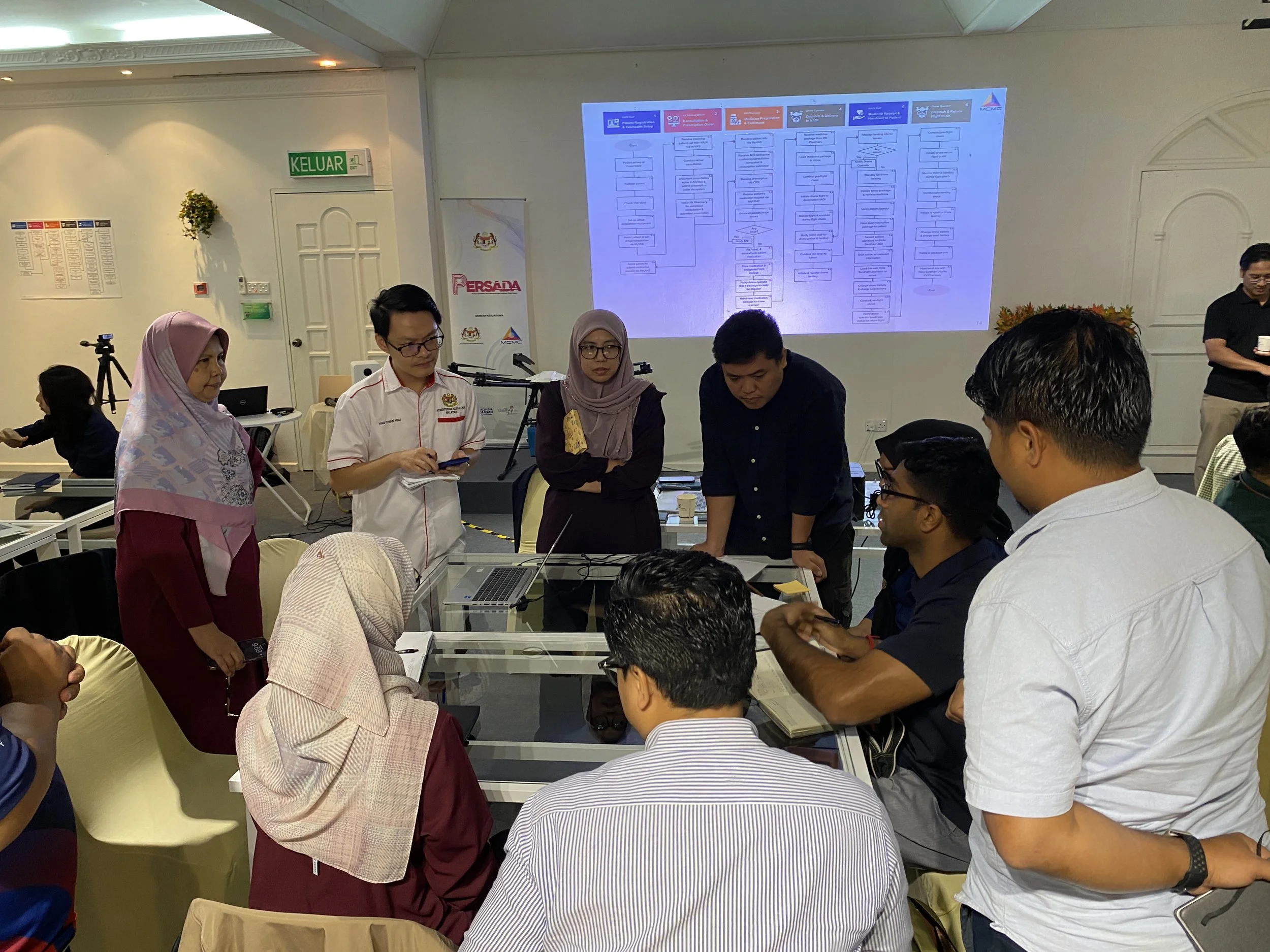
The Workshop provided a platform for stakeholders to collectively examine what it takes to make medical drone delivery work in a real-world healthcare setting.
Rather than focusing solely on the drone and its technical capabilities, the workshop looked across the end-to-end operational ecosystem — from healthcare and patient workflows to flight operations, infrastructure, regulatory requirements and community considerations.
Participants worked together to:
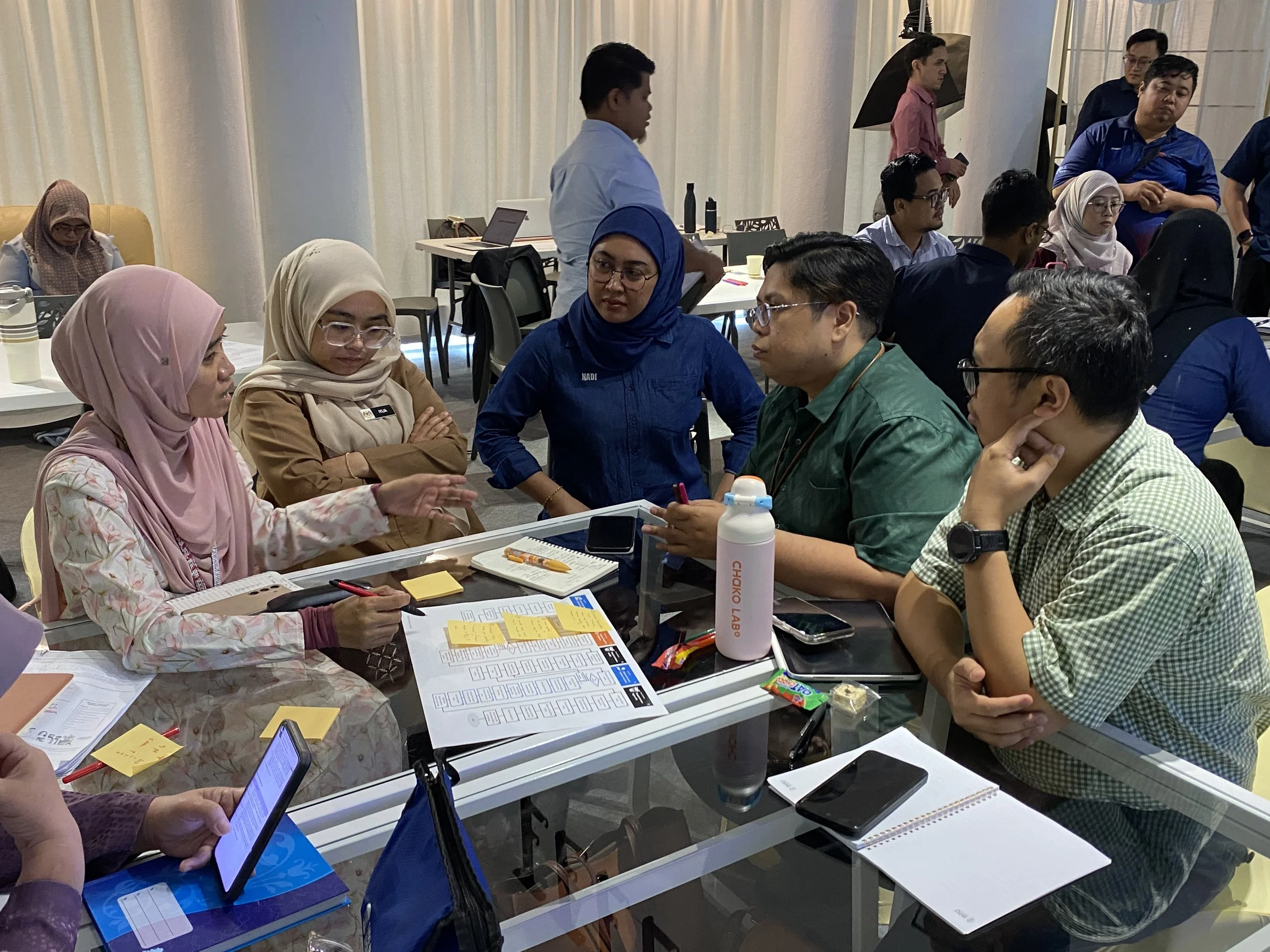
Map the end-to-end operational journey for medical drone delivery
Clarify roles and responsibilities across participating organisations
Identify key dependencies and coordination requirements
Work through potential operational scenarios and contingencies
Surface practical considerations that could affect pilot implementation
Build greater alignment across stakeholders ahead of deployment
These discussions highlighted an important reality: the successful delivery of medicines by drone depends on much more than the aircraft itself.
Beyond the Drone
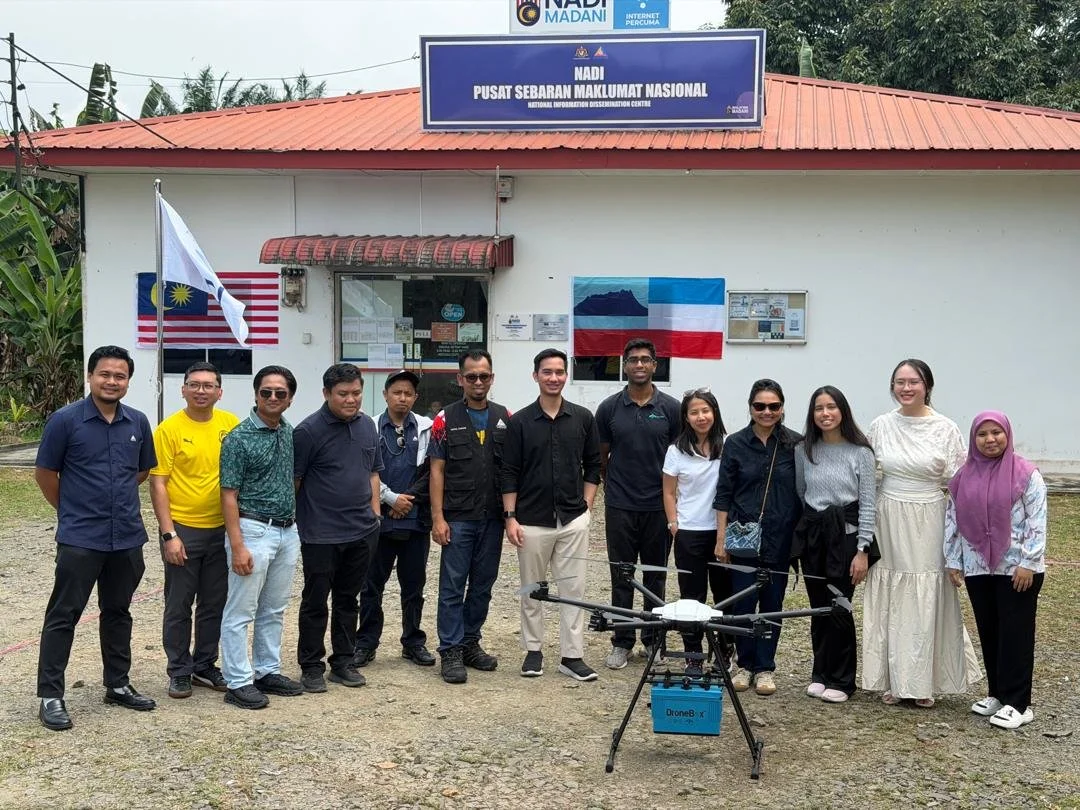
A drone may be the most visible part of the pilot, but it represents only one layer of a much larger system.
Behind every flight are questions around regulatory approvals, flight paths, landing infrastructure, healthcare workflows, medicine handling, connectivity, operational monitoring, patient coordination and contingency planning.
Each of these elements involves different stakeholders, mandates and areas of expertise.
The workshop therefore served not simply as a project meeting, but as a mechanism for ecosystem alignment — creating a shared understanding of how the different pieces need to work together for the pilot to operate safely and effectively.
This is particularly important in a rural healthcare context, where technology must ultimately fit within existing healthcare processes and the realities faced by patients and local communities.
Innovation Management in Practice
For Alpha Catalyst, the workshop reflects a broader principle of innovation management: innovation is not simply about introducing a new technology; it is about creating the conditions for that technology to create meaningful value.
This requires bringing together different perspectives, challenging assumptions, resolving interdependencies and translating an ambitious concept into something that can be implemented in practice.
The medical drone delivery pilot provides a tangible example of this approach. Its success will depend not only on whether the drone can complete a flight, but whether the wider ecosystem is ready to support the journey from technology demonstration to healthcare service delivery.
From Planning to Execution
With the pilot progressing towards implementation, the focus is now shifting from planning and alignment towards execution.
The upcoming stages will provide an opportunity to test the operational model, identify further lessons and assess how medical drone delivery can contribute to more accessible and responsive healthcare delivery for rural communities.
The first flight will undoubtedly be an important milestone.
But the greater achievement will be the ecosystem built around it — one where government, healthcare providers, technology partners, regulators, operators and communities can work together to turn an emerging technology into a practical solution.
The experience reflects the kind of transformation challenges we support through our consultancy work at Alpha Catalyst. From developing innovation strategies and designing new operating models to orchestrating multi-stakeholder initiatives and translating emerging technologies into implementable solutions, we help ministries, government agencies, and organisations move from ambition to execution. Whether navigating complex ecosystems, testing new solutions or preparing innovations for scale, our approach brings together strategy, innovation management, and practical implementation to create meaningful, lasting impact.